Premium Commercial Inflatable Bounce Houses for Rental Businesses

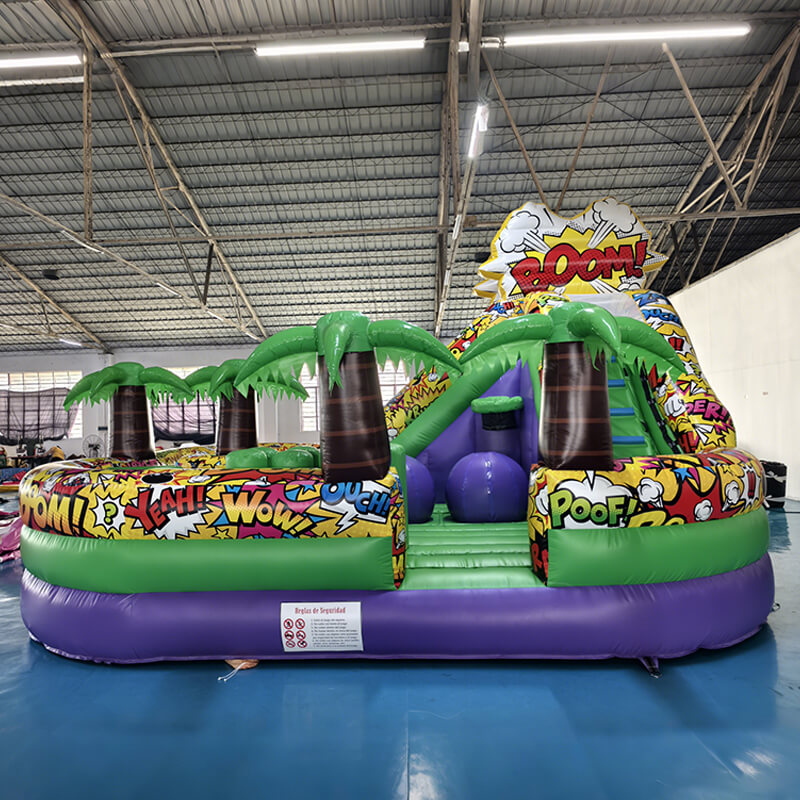
Premium Commercial Inflatable Bounce Houses for Rental Businesses
Look, the commercial event rental industry is a massive, multi-billion-dollar global market. At the core of this thriving sector? High-quality inflatable bounce houses. For entrepreneurs and established event rental businesses, choosing the right inventory isn't just about visual appeal—it is a critical capital expenditure that dictates long-term profitability, safety compliance, and operational efficiency. As consumer demand for immersive, high-energy entertainment continues to surge, investing in commercial-grade inflatables requires a deep understanding of materials, structural engineering, and market dynamics. You can't afford to cut corners when you're dealing with high-capacity foot traffic and heavy structural loads.
This comprehensive industrial guide is built for B2B rental operators, event planners, and amusement park managers. We will break down the exact technical specifications, material sciences, and ROI frameworks necessary to scale your rental fleet. From understanding the structural integrity of 0.55mm PVC tarpaulin to navigating international safety certifications, this blueprint provides the actionable intelligence needed to dominate the competitive party event market. In the shop, we see operators fail because they buy cheap gear. We're going to make sure that doesn't happen to you.
Table of Contents
- 👉 Introduction to Commercial Inflatable Bounce Houses
- 👉 The Engineering & Material Science Behind Premium Bounce Houses
- 👉 Top Commercial Inflatable Bounce House Models for Your Fleet
- 👉 Business & ROI: Maximizing Rental Profitability
- 👉 Safety Standards & Global Certifications
- 👉 Deep-Dive FAQ: Technical Operations & Maintenance
- 👉 Conclusion: Scaling Your Inflatable Rental Business
Introduction to Commercial Inflatable Bounce Houses
In the B2B event rental ecosystem, a commercial inflatable bounce house is not merely a children's toy; it is a highly engineered piece of industrial equipment. The distinction between residential and commercial units is stark, lying primarily in the density of the materials, the stitching techniques, and the continuous-duty blower systems required to sustain high-capacity usage. For rental businesses, the primary goal is to maximize asset utilization while minimizing downtime and maintenance costs. Here's the deal: if you buy residential gear for commercial use, it's going to blow out a seam in a weekend. You have to treat this like purchasing heavy machinery.
Commercial bounce houses are subjected to rigorous, high-traffic environments—ranging from backyard birthday parties to large-scale corporate gatherings and municipal festivals. To withstand this continuous abuse, top-tier manufacturers like CH Inflatables utilize specialized PVC tarpaulin, reinforced stress points, and commercial-grade YKK zippers. Understanding these core mechanics allows rental fleet managers to make procurement decisions that directly impact their bottom line. You need units that generate consistent, high-margin revenue for years to come, not just a single season. That means looking past the paint job and inspecting the structural skeleton of the unit.
The modern commercial inflatable bounce house has evolved significantly over the past two decades. Early models were often constructed from lighter, less durable fabrics that degraded quickly under UV exposure and heavy foot traffic. Today, the industry standard demands robust, heavy-duty materials that can endure thousands of hours of active use. For a rental business, the depreciation rate of an inflatable is a key metric. By investing in premium, commercial-grade units, operators can drastically extend the lifecycle of their assets, thereby improving their overall return on investment (ROI). The aesthetic and thematic design of these inflatables plays a crucial role in marketability. Eye-catching, vibrant designs attract immediate attention, driving higher booking rates and allowing businesses to charge premium rental fees.
When you are running a fleet, you have to think about the physics of kids jumping. That's dynamic load, applied constantly to a pressurized membrane. If the base fabric isn't up to spec, the stress concentrations at the seams will tear the material before the day is over. We use a multi-layered approach to dissipate that kinetic energy. The internal baffles, the webbing straps, and the perimeter anchor points all work together to distribute the load. If you get the engineering right on the front end, your maintenance crew spends less time patching holes and more time prepping for the next delivery.
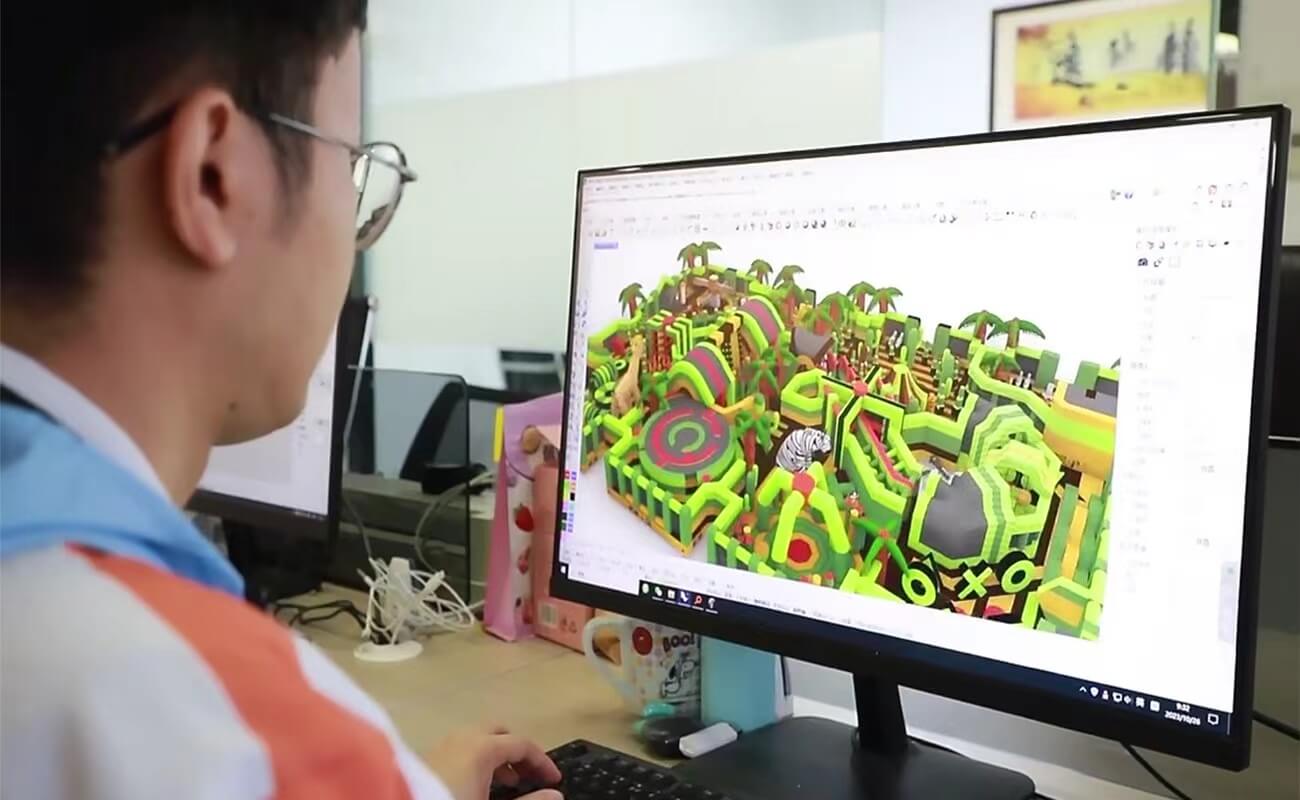
The Engineering & Material Science Behind Premium Bounce Houses
0.55mm PVC Tarpaulin & Double Stitching
The foundational element of any profitable bounce house is its material. Premium commercial units are constructed from 0.55mm (approximately 18oz) PVC tarpaulin, specifically utilizing a 1300D (denier) yarn grid. This specification is critical: the high thread count combined with a thick PVC coating provides exceptional puncture resistance, tear propagation resistance, and flame retardancy. Unlike cheaper Oxford cloth materials used in residential units, 1300D PVC does not easily degrade under UV exposure or constant friction. The manufacturing process involves coating woven polyester yarns with liquid polyvinyl chloride, creating a composite material that is both highly flexible and incredibly strong. This ensures the bounce surface maintains its structural integrity and tension, providing a consistent and safe bouncing experience for users.
Now, let's talk assembly. The assembly of this material requires industrial-grade stitching. CH Inflatables employs precise double stitching techniques (and occasionally quadruple stitching at high-stress corners and seams) using heavy-duty nylon or polyester thread. This ensures that the structural integrity remains intact even when the unit is inflated to high internal pressures by commercial blowers. The tension generated by active jumpers places immense stress on the seams; therefore, the stitching pattern, thread tension, and needle gauge are all meticulously calculated to prevent seam failure. To understand the granular details of seam construction and how it prevents catastrophic air leakage, you can explore our comprehensive guide on inflatable castle stitching tips.
YKK Zippers, D-Rings, and Blower Systems
Beyond the fabric, the hardware dictates the operational lifespan of the unit. For rapid deflation and secure inflation management, premium bounce houses exclusively use YKK zippers. YKK zippers are industry-renowned for their high tensile strength and deformation resistance, ensuring the deflation ports do not fail under the high internal pressure of commercial use. These zippers are always covered by heavy-duty velcro flaps to maintain an airtight seal during operation. The velcro flaps are engineered to withstand the continuous outward pressure of the inflated structure, preventing accidental air leaks that could compromise the bounce house's rigidity.
The inflation mechanism relies on continuous-duty, commercial-grade blowers. A standard bounce house requires a 1.5 HP to 2.0 HP blower, engineered to run for hours without overheating. These blowers feature backward curved impellers and enclosed motors, designed to move a high volume of air at a relatively low pressure. This continuous airflow is necessary because commercial inflatables are not perfectly airtight; the constant air leakage through seams and the pressure relief valve is offset by the continuous input from the blower. Securing the bounce house to the ground is equally vital; top models feature heavy-duty stainless steel D-rings welded to the PVC base, allowing for secure anchoring in winds up to 25 mph. For businesses expanding their operations into larger play areas, integrating these bounce houses with an inflatable obstacle playground park requires strict adherence to these material and hardware standards.
Top Commercial Inflatable Bounce House Models for Your Fleet
Selecting the right models for your inventory means balancing crowd appeal with logistical efficiency. Below, we detail two flagship units from CH Inflatables, engineered to drive immediate bookings and maximize ROI. Here's what we recommend you put on your truck.
Model 1: Peppa Pig Inflatable Bounce House
This themed unit is a guaranteed crowd-pleaser, capitalizing on one of the most popular children's franchises globally. It is designed to be the visual centerpiece of any private or public event, ensuring high customer satisfaction and repeat bookings. When parents see this setup, they book immediately. It’s a proven revenue driver.
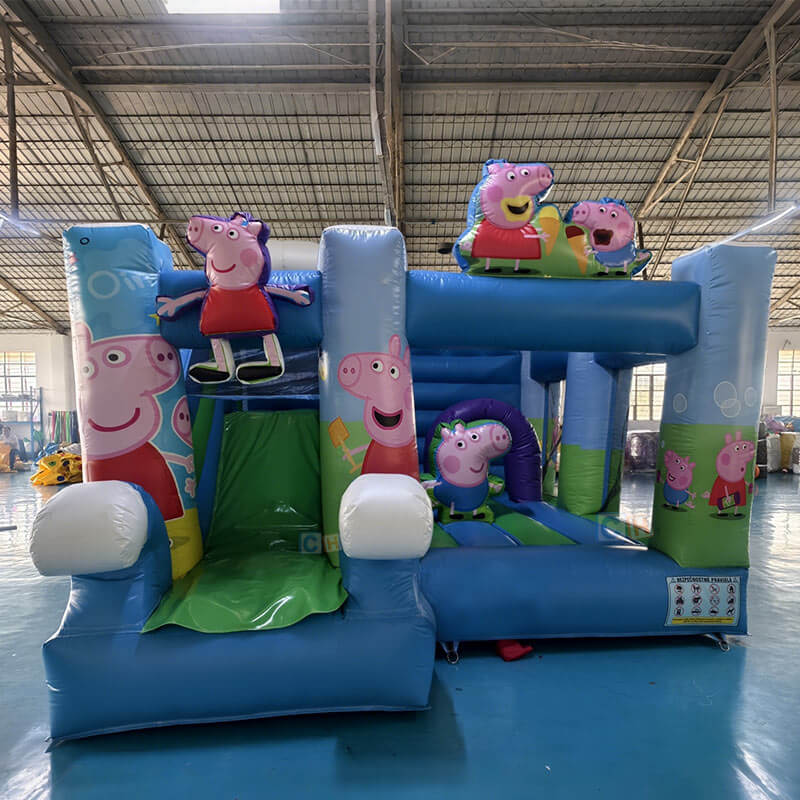
Product Specifications:
| Brand Name | CH Inflatables |
| Model | CH-IB152 |
| Size | L5*W4*H4m/L16.4xW13.12xH13.12ft |
| Weight | Depends on the actual situation |
| Capacity | 5-10 peoples |
| Material | PVC tarpaulin |
| Accessories | Repair kits、Blower |
| Certification | CE-EN14960、ROHS、UL |
| Usage | Shopping Mall/property promotion events, park activities |
Detailed Analysis:
Elevate your rental inventory with our top-tier Inflatable Bounce Houses. Featuring vibrant colors and captivating themes, these units are designed to be the centerpiece of any party. The Peppa Pig model offers exceptional commercial value, engineered for quick setup and takedown, allowing you to maximize efficiency. Expand your fleet with a product proven to generate steady revenue in the competitive US party event market. Crafted from 0.55mm 1300D PVC, it features reinforced double stitching to withstand rigorous play, while high-strength YKK zippers ensure your investment remains in pristine condition. Backed by CH Inflatable's 17 years of manufacturing excellence, we guarantee safety with CE-certified HW blowers.
View Product Details & Pricing ➔
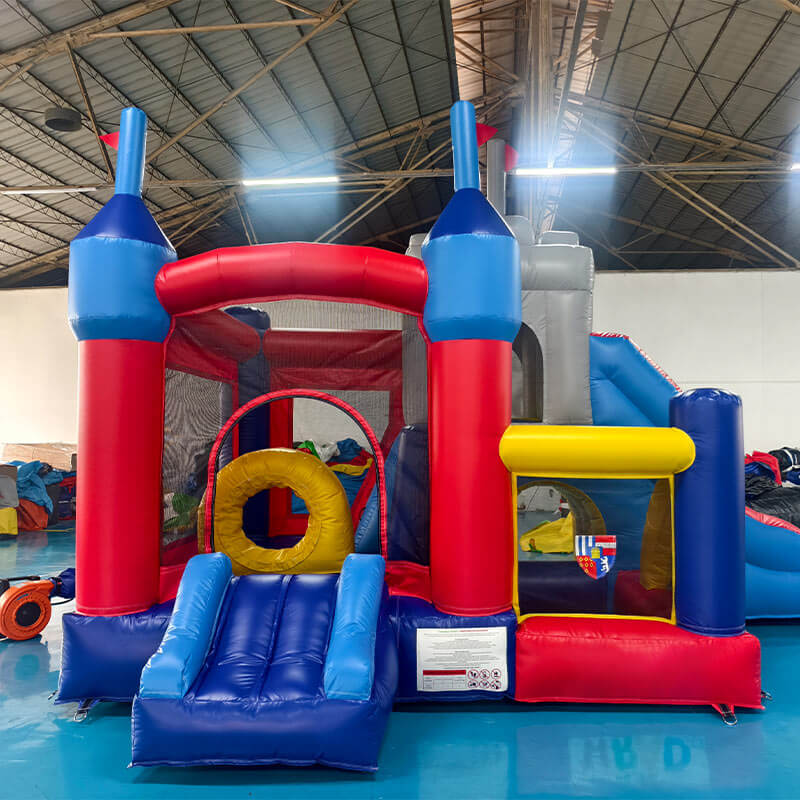
Model 2: Indoor Inflatable Bounce House for Kids
Weather and location constraints often limit outdoor bounce house rentals. This indoor-specific model is designed with a lower clearance height and compact footprint, opening up lucrative year-round indoor rental markets. In the shop, we call this the 'revenue stabilizer' because it works when the weather turns bad. If you aren't running indoor units in the winter, you're leaving money on the table.
Product Specifications:
| Brand Name | CH Inflatables |
| Model | CH-IB216 |
| Size | L5.5*W4.07*H4m/L18.04xW13.35xH13.12ft |
| Weight | Depends on the actual situation |
| Capacity | 5-10 peoples |
| Material | PVC tarpaulin |
| Accessories | Repair kits、Blower |
| Certification | CE-EN14960、ROHS、UL |
| Usage | Shopping Mall/property promotion events, park activities |
Detailed Analysis:
Expand your rental inventory with our vibrant Indoor Inflatable Bounce House. Designed with a compact footprint, this captivating unit is the ultimate solution for garages, community centers, and indoor play areas, ensuring your business generates revenue regardless of the weather. Engineered for longevity, this unit is crafted from 0.55mm 1300D PVC holding full CE certification. We utilize precise double stitching to reinforce every corner, and with high-strength YKK zippers, deflation is fast. This indoor inflatable bounce house is a magnet for kids and a profit-maker for rental owners. Its puncture-resistant material ensures safety during energetic play, minimizing labor costs while maximizing customer satisfaction. Backed by 17 years of industry experience, CH Inflatable prioritizes safety and offers full customization.
View Product Details & Pricing ➔
Business & ROI: Maximizing Rental Profitability
Indoor vs. Outdoor Operations
The strategic deployment of your bounce house fleet directly dictates your profitability curve. Outdoor rentals dominate the spring and summer months, capitalizing on backyard birthdays, school carnivals, and park festivals. However, they are subject to weather volatility, leading to potential cancellations and rescheduling overhead. The seasonal nature of outdoor rentals requires businesses to aggressively capture market share during peak months to sustain operations year-round. High-capacity outdoor units, like the Peppa Pig model, are essential for capturing this peak demand, offering high visibility and broad appeal. Look, when the sun is out, you need to have every unit deployed. That's how you cover your winter overhead.
Conversely, indoor bounce house models unlock a highly lucrative, year-round revenue stream. By partnering with shopping malls, indoor trampoline parks, community recreation centers, and corporate indoor events, rental businesses can smooth out their cash flow during off-peak seasons. Indoor models are specifically engineered with lower overhead clearances to fit standard residential and commercial ceilings, making them the ultimate versatile asset. Establishing permanent indoor installations or rotating them through property promotion events creates a predictable baseline revenue that scales your B2B operations. Indoor environments protect the inflatable from UV degradation and harsh weather, extending the operational lifespan of the asset and improving long-term ROI.
Maintenance, Sanitation, and Longevity
A commercial bounce house is a depreciating asset, but its lifespan is entirely dependent on operational maintenance protocols. To achieve a true BuyItForLife ROI, rental businesses must implement strict post-event sanitation. PVC tarpaulin is non-porous, allowing for easy wipe-downs with mild, non-abrasive antimicrobial detergents. Regular cleaning not only ensures a hygienic environment for children but also prevents the buildup of dirt and grime that can degrade the PVC coating over time. Establishing a standardized cleaning protocol after every rental is essential for maintaining both the physical condition of the unit and the professional reputation of your business.
Furthermore, routine inspections of high-stress seams, D-ring anchor points, and YKK zipper tracks are mandatory. Implementing a proactive repair schedule using the provided commercial repair kits (PVC patches and specialized vinyl cement) prevents minor micro-tears from evolving into catastrophic structural failures. Operators should conduct a thorough visual and tactile inspection before and after every deployment. If your business model scales into water-based inflatables, maintenance becomes more complex; you must actively manage moisture to prevent mold and mildew. We highly recommend reviewing our operational guide on how to manage water recycling in inflatable water parks to apply those advanced sanitation principles to your dry-bounce operations as well.
Here is the exact maintenance loop we enforce in the shop:
- ⚙️ Visual Inspection: Walk the perimeter. Check every seam for fraying thread or micro-tears before inflation.
- ⚙️ Hardware Check: Test the YKK zipper action and verify the velcro flap seals securely. Inspect D-rings for weld integrity.
- ⚙️ Sanitation Wipe-Down: Use a non-abrasive antimicrobial detergent on all contact surfaces. Do not use solvents that degrade the PVC plasticizer.
- ✅ Dry and Roll: Ensure the unit is 100% dry before rolling to prevent mold buildup in storage.
Safety Standards & Global Certifications
In the commercial inflatable industry, safety compliance is not a feature—it is a legal requirement. Operating uncertified equipment opens rental businesses to severe liability risks in the event of an injury. Top-tier manufacturers adhere to a strict matrix of global safety standards to ensure that every unit leaving the factory is safe for commercial use. Here's the deal: if your unit isn't certified, your insurance company will drop you the second a claim is filed. You cannot operate a legitimate B2B rental fleet without the proper paperwork.
The primary benchmark in Europe is the 欧盟 EN 安全标准 (EN14960), which dictates the specific requirements for the safety of permanently and temporarily installed inflatable play equipment. This comprehensive standard covers everything from the minimum structural strength of the PVC to the maximum allowable internal pressure and the necessity of anchor points. It also mandates specific safety features, such as enclosed mesh netting to prevent falls and adequate inflation tubes to ensure structural rigidity. Compliance with EN14960 is a clear indicator of a manufacturer's commitment to safety and quality.
In the UK, the Amusement Device Inspection Procedures Scheme (ADIPS) governs the annual inspection of inflatables, requiring certified engineers to test the equipment before it can be legally operated commercially. This rigorous inspection process ensures that the equipment remains in safe operating condition throughout its lifecycle. Additionally, all electrical components, specifically the continuous-duty blowers, must carry UL (Underwriters Laboratories) or RoHS (Restriction of Hazardous Substances) certifications to guarantee electrical safety and environmental compliance. These certifications ensure that the blowers are safe to operate for extended periods without risk of electrical failure or fire, providing peace of mind for operators and event organizers alike.
Deep-Dive FAQ: Technical Operations & Maintenance
Q1: How do I move heavy commercial inflatable bounce houses without needing a huge team?
Q2: Are commercial inflatable bounce houses truly durable enough for a profitable rental business?
Q3: Can I use inflatable bounce houses indoors for malls or community centers during bad weather?
Conclusion: Scaling Your Inflatable Rental Business
Architecting a successful B2B inflatable rental operation requires a meticulous approach to equipment procurement, safety compliance, and asset management. By prioritizing 0.55mm PVC construction, YKK hardware, and certified continuous-duty blowers, fleet managers can ensure their investments yield maximum ROI with minimal downtime. Whether expanding your outdoor festival inventory with eye-catching themes or securing year-round revenue with specialized indoor models, the strategic application of these technical principles will position your business at the forefront of the commercial event industry. Partner with manufacturers who understand the industrial demands of the rental market, and scale your operations with absolute confidence.
📚 References & Further Reading
- Industry Standard: 欧盟 EN 安全标准
- Related Guide: ADIPS
- Internal Resource: Inflatable Castle Stitching Tips
- Internal Resource: Inflatable Obstacle Playground Park
- Internal Resource: How to Manage Water Recycling in Inflatable Water Parks