
Commercial Inflatable Bounce House: High-ROI Rentals for Your Business

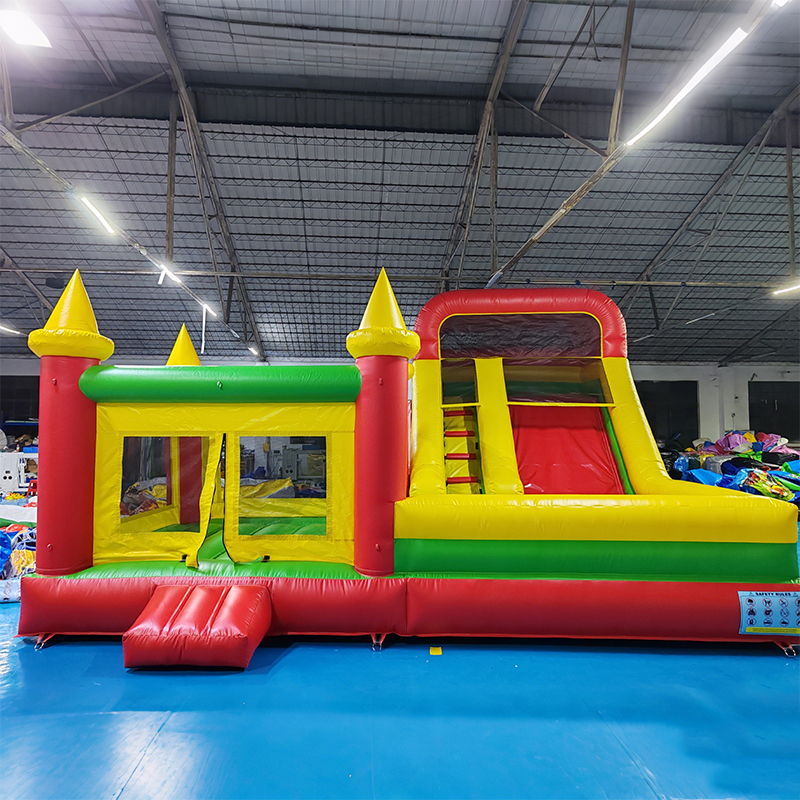
Commercial Inflatable Bounce House: High-ROI Rentals for Your Business
Look, the commercial rental industry has shifted massively over the last decade. We aren't just talking about basic backyard entertainment anymore; this has evolved into a highly lucrative, multi-million dollar event infrastructure market. At the core of this profitability is the commercial-grade inflatable bounce house. Here's the deal: a versatile asset like this serves as the foundational revenue driver for event planners, indoor play centers, and independent rental fleets across the United States. Consumer demand is pivoting toward aesthetically pleasing, highly durable, and weather-independent event solutions. If you're a B2B buyer, investing in premium, CE-certified inflatables is no longer just an option—it is a strategic necessity for maximizing your Return on Investment (ROI), minimizing maintenance downtime, and dominating your local market share.
In the shop, we see all kinds of gear come through, and not all bounce houses are engineered for the rigorous demands of continuous B2B commercial use. The modern rental business requires inflatables constructed from high-tensile PVC tarpaulin, reinforced with industrial-grade stitching, and backed by recognized safety certifications. This comprehensive industrial guide is designed for procurement managers, rental fleet owners, and operations directors. We will break down the exact manufacturing standards, material specifications, safety compliance frameworks, and financial modeling required to turn a single commercial inflatable bounce house into a high-yield, long-term capital asset.
Table of Contents
The B2B Inflatable Bounce House Market Landscape
The event rental sector has undergone a profound transformation, driven by changing consumer expectations and the professionalization of party planning services. A decade ago, the market was predominantly saturated with brightly colored, residential-grade vinyl jumpers intended for sporadic, low-impact backyard use. Today, the B2B market demands sophisticated, commercial-grade architectures that can withstand hundreds of deployments per year. Rental businesses are increasingly moving away from cheap, multi-colored residential jumpers toward premium, commercial-grade units that project an image of safety, cleanliness, and modern aesthetics. This shift is not merely cosmetic; it is deeply rooted in the economics of fleet management. Commercial operators recognize that higher upfront capital expenditures for premium inflatables drastically reduce long-term operational costs associated with repairs, patching, and premature replacement. We see fleets that tried to cut corners initially end up spending double on maintenance labor over a three-year cycle. It's simple math: buy right, buy once.
Within this evolved market, two primary lucrative niches have emerged for the modern rental business. The first is aesthetic event styling, which encompasses weddings, corporate galas, and high-end private parties. Clients in this demographic are willing to pay a premium for an inflatable bounce house that serves as an elegant centerpiece rather than a mere children's distraction. The second highly profitable niche is weather-independent indoor play. As seasonal fluctuations traditionally dictated the cash flow of bounce house rentals, savvy operators have pivoted toward indoor inflatable deployments in community centers, shopping malls, and indoor play parks. By securing year-round contracts, businesses can stabilize their revenue streams regardless of external weather conditions. To effectively penetrate these diverse markets and ensure your inventory remains competitive, business owners should consider the strategic import of complementary inflatable assets directly from vetted industrial manufacturers, thereby reducing supply chain middlemen and increasing profit margins.
The rise of social media has permanently altered the marketing landscape for event rentals. An inflatable bounce house is no longer just a physical play structure; it is an "Instagrammable" venue. This digital footprint means that the visual appeal of your inventory directly impacts your booking rate. Clients actively seek out unique, pristine, and visually striking inflatables that will feature prominently in their event photography. Consequently, rental businesses that invest in modern, aesthetically versatile inflatables benefit from organic, user-generated marketing as guests post photos of their experiences, effectively advertising the rental company's services to a broader local audience without additional advertising spend.
From a structural engineering perspective, the demand for these larger, more complex structures means the tolerances for error are shrinking. A residential jumper failing means a deflated bouncy castle in a backyard. A commercial unit failing during a packed corporate event means massive liability. We are seeing operators demand thicker base materials, heavier anchor points, and integrated wind-resistance features. If you're managing a fleet, you need to understand these mechanical requirements to spec out the right gear. You aren't just buying a big plastic toy; you're buying a piece of temporary architecture.
Core Materials & Manufacturing Standards
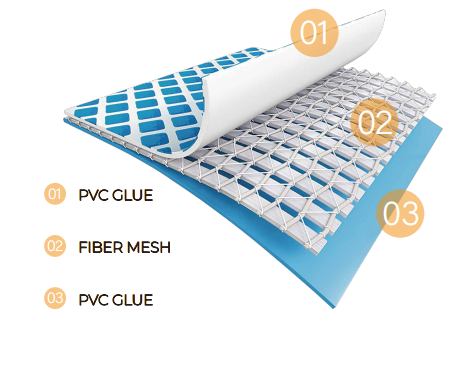
Here's the deal: the foundation of any profitable commercial inflatable bounce house lies in its material composition and the precision of its manufacturing processes. For B2B operations, the gold standard is 0.55mm Plato PVC tarpaulin. This specialized thermoplastic polymeric material is engineered for extreme durability, featuring a high-tensile woven base fabric sandwiched between layers of waterproof, fire-retardant polyvinyl chloride. The 1300D denier rating of this PVC tarpaulin ensures exceptional puncture resistance, capable of withstanding the high-impact kinetic energy generated by continuous jumping and rough play. Unlike cheaper residential vinyl, which degrades rapidly under UV exposure, commercial Plato PVC is treated with UV stabilizers and anti-mildew chemical formulations, allowing the inflatable to maintain its structural integrity and colorfastness even after prolonged exposure to harsh outdoor environments.
In the shop, when we inspect a weld seam, we're looking for consistency. The manufacturing process itself is highly meticulous, combining high-frequency welding and industrial sewing methodologies. Panels of PVC are first welded using high-frequency radio waves to create airtight seams that are physically stronger than the material itself. This isn't just melting plastic together; it's fusing the polymer chains at a molecular level. However, the structural framework of the bounce house relies heavily on specialized stitching techniques. A standard single stitch is entirely inadequate for commercial deployment. Instead, manufacturers utilize a precise double stitching technique throughout the main body of the inflatable. More critically, all corner stress points—where kinetic energy is concentrated and material failure is most likely to occur—receive specialized reinforcement. These high-stress zones often feature quadruple stitching and internal nylon webbing straps that distribute tension evenly across the fabric, preventing catastrophic seam blowouts during operation.
Let's look at the specific material advantages you need to spec for your fleet:
- ✅ High-Tensile Base Fabric: The internal scrim determines tear resistance. Look for 1300D denier ratings to prevent propagation of punctures.
- ✅ UV and Mildew Inhibitors: Top-tier PVC is formulated to resist solar degradation and fungal growth, which is critical for outdoor storage and damp climates.
- ✅ Fire Retardant Additives: Essential for indoor deployments and compliance with municipal fire codes.
- ✅ Lead-Free Formulation: ROHS compliance ensures no toxic heavy metals are present in the synthetic dyes or plasticizers.
The Role of Industrial-Grade Hardware
Beyond the PVC shell, the hardware integrated into an inflatable bounce house dictates its operational lifespan and safety profile. One of the most critical components is the deflation zipper. Commercial manufacturers utilize genuine YKK zippers, which are renowned globally for their high tensile strength, precise teeth alignment, and resistance to deformation under pressure. The rapid deflation capability provided by a high-quality YKK zipper is essential for rental businesses, as it drastically reduces pack-down times and labor costs at the end of an event. We've all fought with cheap zippers that bind halfway through deflation—replacing them with YKK eliminates that bottleneck. These zippers are protected by heavy-duty Velcro flaps that prevent debris from entering the zipper mechanism during operation, ensuring smooth functionality for years.
Equally important are the anchoring systems. Upgraded stainless steel D-buckles are non-negotiable for commercial inflatables. These D-rings are anchored through multiple layers of reinforced PVC and webbing to secure the bounce house to the ground. Cheap alloys commonly found in substandard inflatables are prone to rusting, metal fatigue, and catastrophic snapping under high wind loads or aggressive pulling. Stainless steel hardware is inherently waterproof, rust-proof, and corrosion-resistant, safeguarding the product's structural integrity and minimizing the massive liability risks associated with an unanchored inflatable. For businesses looking to diversify their offerings, investing in high-quality hardware is equally vital for specialized themed bounce houses, ensuring that aesthetic novelties never compromise structural safety.
Safety Certifications & Regulatory Compliance
In the commercial event rental industry, safety is not just a moral obligation; it is a stringent legal framework that directly impacts business viability. Operating an uncertified inflatable bounce house exposes a rental business to catastrophic liability in the event of an injury, and it often precludes the business from securing affordable commercial liability insurance. Recognized safety certifications serve as a standardized benchmark, verifying that the inflatable has been manufactured to specific dimensional, structural, and material tolerances. The primary international benchmark for inflatable play equipment is the CE-EN14960 standard. This comprehensive European regulation dictates exact requirements for everything from the maximum permissible slope of slides and steps to the specific impact attenuation of internal landing surfaces. Compliance with CE-EN14960 guarantees that the inflatable bounce house has undergone rigorous design and engineering reviews.
Look, other regulatory compliance markers such as ROHS (Restriction of Hazardous Substances) ensure that the materials used in the inflatable, including the PVC and synthetic dyes, are free from toxic heavy metals like lead and cadmium. This is particularly crucial for indoor inflatables where chemical off-gassing can pose respiratory hazards in poorly ventilated spaces. UL (Underwriters Laboratories) certification, particularly for the accompanying electrical blowers, guarantees that the continuous air supply systems have been tested for fire safety, electrical insulation, and operational longevity. Compliance with these standards directly lowers insurance premiums for rental businesses, as insurers heavily discount policies for operators who maintain rigorously certified fleets. Corporate clients and municipal venues also mandate these certifications before allowing an inflatable to be erected on their premises.
To maintain these safety standards, ongoing inspections are legally required in many jurisdictions. Here are the operational steps we recommend for compliance:
- ⚙️ Initial Documentation Review: Keep all CE, ROHS, and UL certificates on file and easily accessible for venue managers and insurance audits.
- ⚙️ Daily Setup Inspections: Field crews must check anchor points, blower intakes, and ground conditions before inflation.
- ⚙️ Annual Third-Party Audits: Rental business owners must familiarize themselves with the PIPA testing standards and the ADIPS inspection requirements. These frameworks require annual physical inspections by independent, accredited engineers who examine the inflatable for seam wear, anchor point degradation, and material fatigue.
- ⚙️ Post-Event Deflation Checks: Inspect high-stress seams and D-buckles for elongation or metal fatigue during pack-down.
By adhering to these continuous compliance regimes, businesses not only protect their clients but also build a formidable reputation for safety in their local market, which is an invaluable marketing asset in an industry where trust is paramount.
Maximizing ROI & Profitability Models
The financial modeling of a commercial inflatable bounce house is exceptionally favorable compared to almost any other physical asset in the event rental sector. To understand the profitability, one must analyze the payback period. A high-quality commercial bounce house represents a one-time capital expenditure that rapidly transforms into a yield-generating asset. In the US market, the daily rental rate for a standard commercial bounce house typically ranges from $150 to $300, depending on the region and the complexity of the unit. If a business operates on weekends and rents out a single unit 10 times per month at an average rate of $200, the gross monthly revenue for that unit is $2,000. Given that the acquisition cost of a premium commercial unit is rapidly recovered through these high-ticket rentals, the break-even point is often achieved in less than 15 bookings. Once the initial investment is recouped, the ongoing operational costs consist only of cleaning supplies, minor electrical costs for the blower, and labor for setup and takedown. This yields an exceptionally high net profit margin that persists over the 5 to 7-year lifespan of the inflatable.
Beyond the basic payback model, profitability is heavily influenced by inventory turnover and maintenance efficiency. Low-maintenance designs, such as easy-to-clean white PVC bounce houses, play a critical role in increasing turnaround time between bookings. An inflatable that can be quickly wiped down, dried, and rolled without requiring extensive stain removal allows a business to accept back-to-back bookings, effectively doubling the unit's revenue potential. Furthermore, rental pricing strategies must be segmented. While standard backyard parties may yield lower base rates, upscale events like weddings and corporate functions allow for premium pricing. Offering aesthetic, minimalist inflatables positions your business to capture these high-value contracts, where clients are less price-sensitive and more focused on the visual impact of the event.
Expanding Your Fleet for Cross-Selling
Strategic fleet expansion is the key to scaling a rental business. The commercial inflatable bounce house serves as an anchor product that facilitates aggressive cross-selling strategies. When a client books a bounce house, they are already in the mindset of hosting an event, making them highly receptive to additional offerings. By bundling your bounce houses with complementary entertainment assets, you increase the average ticket size per booking while minimizing the per-booking marketing acquisition costs. For instance, during the summer months, integrating high-profit water slide attachments or interactive games can dramatically increase the perceived value of your rental packages. This modular approach to fleet management ensures that your business captures the maximum possible revenue from every client interaction, transforming a single bounce house booking into a comprehensive event solution.
Premium Commercial Inflatable Bounce House Models
To illustrate the standards discussed above, we present two flagship models from CH Inflatables. These units represent the pinnacle of commercial engineering, designed specifically to meet the diverse demands of the modern B2B rental market. Each model addresses a specific lucrative niche, ensuring that your inventory remains versatile and highly profitable.
16ft Inflatable Wedding White Bounce House
Transform any event into a picturesque celebration with our exquisite White Bounce House, a must-have asset for any serious US inflatable rental business. Designed to meet the skyrocketing demand for aesthetic event styling, this classic, all-white inflatable serves as a stunning centerpiece for weddings, baby showers, and upscale birthday parties. Its clean, timeless design acts as the perfect blank canvas for balloon garlands and floral decorations, making it highly "Instagrammable" and increasing your potential for bookings. By adding this versatile white bounce house to your inventory, you are offering a high-demand product that appeals to clients seeking elegance over traditional multi color jumpers.
Built to withstand the rigors of the B2B rental industry, our white bounce house is constructed from top-tier 0.55mm plato PVC material, which holds full CE certification. We know that durability equals profitability, which is why we have integrated genuine YKK zippers—renowned for their high strength and resistance to deformation—ensuring your setup and pack-down process remains smooth for years. Additionally, all anchoring points feature upgraded stainless steel D-buckles that are waterproof, rust-proof, and corrosion-resistant, safeguarding the product's integrity in various weather conditions. This meticulous attention to detailed manufacturing guarantees a long lifespan and a higher return on investment.
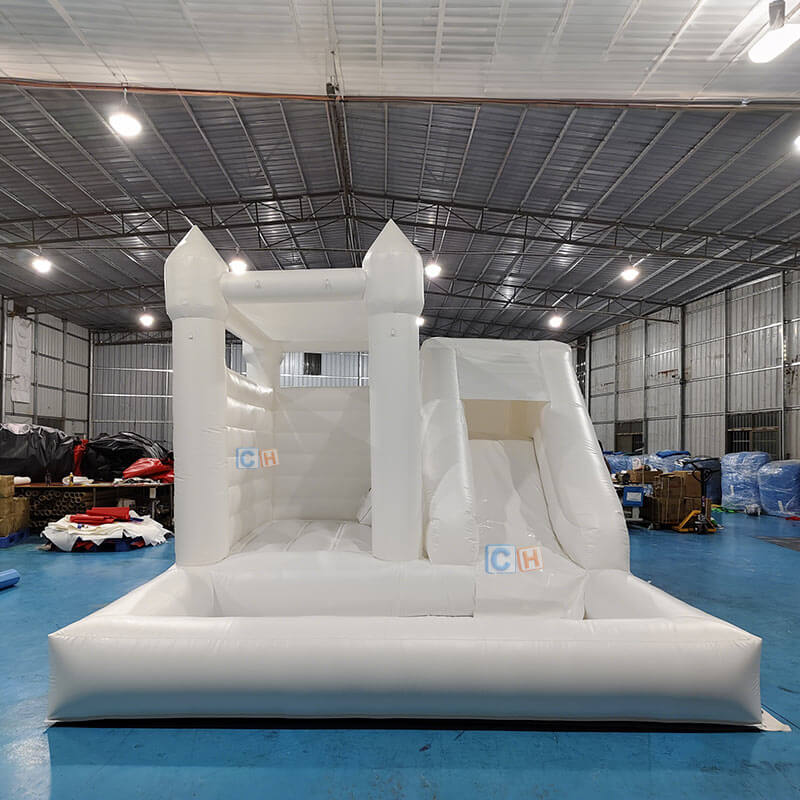
| Brand Name | CH Inflatables |
| Model | CH-IB227 |
| Size | L5*W4*H4m/L16.4xW13.12xH13.12ft |
| Weight | Depends on the actual situation |
| Capacity | 10-15 peoples |
| Material | PVC tarpaulin |
| Accessories | Repair kits、Blower |
| Certification | CE-EN14960、ROHS、UL |
| Usage | Shopping Mall/property promotion events, park activities |
View Product Details & Pricing ➔
Indoor Inflatable Bounce House for Kids
Expand your rental inventory with our vibrant Indoor Inflatable Bounce House. Designed with a compact footprint, this captivating unit is the ultimate solution for garages, community centers, and indoor play areas, ensuring your business generates revenue regardless of the weather.
Engineered for longevity, this unit is crafted from 0.55mm 1300D PVC which holds full CE certification. We utilize a precise double stitching technique to reinforce every corner. Plus, with high-strength YKK zippers, deflation is fast, and durability is guaranteed for years of heavy commercial use.
This indoor inflatable bounce house is a magnet for kids and a profit-maker for rental owners. Its puncture-resistant material ensures safety during energetic play. Easy to set up and take down, it minimizes labor costs while maximizing customer satisfaction for birthday parties and events.
Backed by 17 years of industry experience, CH Inflatable prioritizes safety. We offer full customization—from adding your rental business logo to creating bespoke themes suitable for the US market. Trust our expert guidance to elevate your inflatable fleet today.
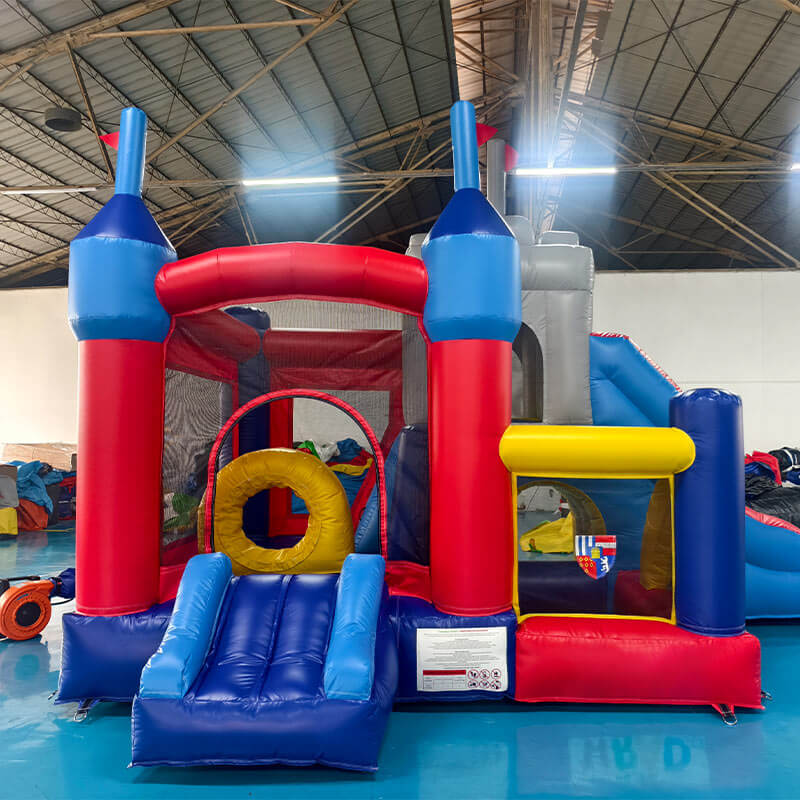
| Brand Name | CH Inflatables |
| Model | CH-IB216 |
| Size | L5.5*W4.07*H4m/L18.04xW13.35xH13.12ft |
| Weight | Depends on the actual situation |
| Capacity | 5-10 peoples |
| Material | PVC tarpaulin |
| Accessories | Repair kits、Blower |
| Certification | CE-EN14960、ROHS、UL |
| Usage | Shopping Mall/property promotion events, park activities |
View Product Details & Pricing ➔
B2B Inflatable Bounce House FAQs
Is investing in a commercial inflatable bounce house worth it for my rental business?
How safe are indoor inflatable bounce houses for kids' events, and do they meet compliance standards?
Can these commercial bounce houses handle adult events and be modified with water components?
What is the expected lifespan of a CH Inflatables commercial bounce house, and how do I maintain it?
📚 References & Further Reading
- Industry Standard: PIPA
- Industry Standard: ADIPS
- Related Guide: Importing Inflatable Slides
- Product Resource: Dinosaur Theme Bounce House
- Product Resource: Inflatable Water Pool Slide