
Heavy-Duty Commercial Inflatable Pool Slide for Rental Businesses | Maximize ROI

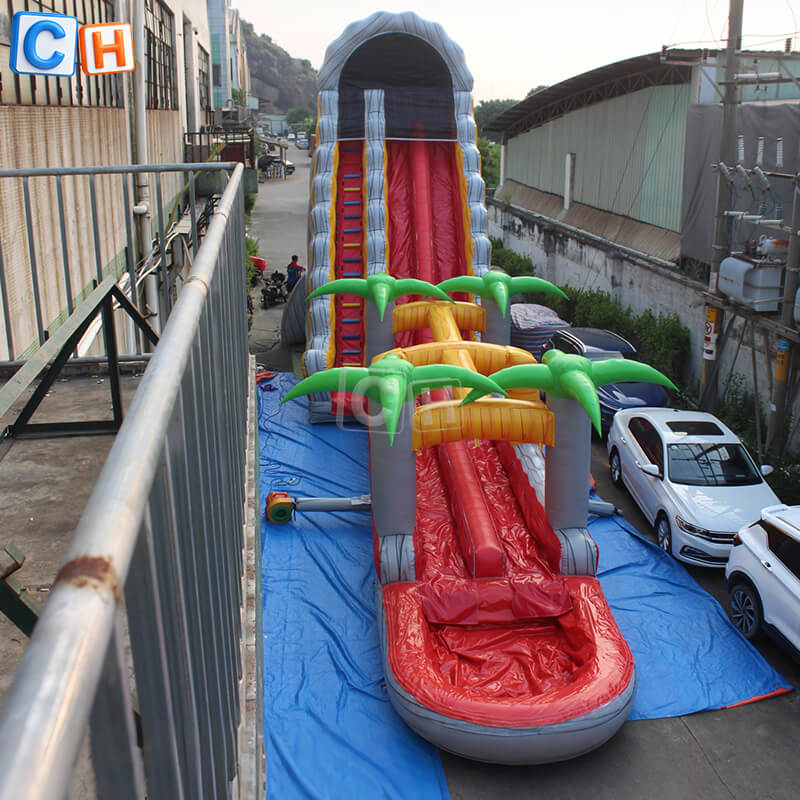
Heavy-Duty Commercial Inflatable Pool Slide for Rental Businesses | Maximize ROI
Look, the US party rental market is a brutal arena. A heavy-duty commercial inflatable pool slide isn't just a seasonal toy—it's a high-yield revenue asset that dictates market dominance. Rental operators are constantly fighting equipment degradation, safety liabilities, and the relentless demand for larger, more thrilling attractions that justify premium rental rates. Upgrading your fleet with commercial-grade water slides engineered from 0.55mm–0.9mm PVC tarpaulin and rust-proof stainless steel hardware transforms these headaches into scalable profit centers. You minimize maintenance downtime while maximizing booking density. It's just good business.
Here's the deal: this guide serves as the definitive technical blueprint for B2B rental operators, event planners, and indoor trampoline park owners evaluating commercial inflatable pool slides. We're going under the hood to dissect the exact engineering specifications, material science, ROI modeling, and compliance mandates required to make a data-driven capital expenditure. From understanding wind ratings and anchoring protocols to navigating CE-EN14960 certifications and custom branding pipelines, this resource gives you the granular details needed to secure high-throughput, low-liability assets that deliver rapid payback periods. No fluff, just shop-floor facts.
Table of Contents
- 👉 1. The Commercial Inflatable Pool Slide: Asset Analysis & ROI
- 👉 2. Engineering & Material Specifications
- 👉 3. Safety Standards & Compliance Frameworks
- 👉 4. Featured Commercial Inventory: Real Product Specs
- 👉 5. Operational Logistics for Rental Fleets
- 👉 6. Portfolio Expansion: From Backyards to Water Parks
- 👉 7. Deep-Dive Technical FAQ for B2B Operators
The Commercial Inflatable Pool Slide: Asset Analysis & ROI
Integrating a commercial inflatable pool slide into your rental inventory is a strategic capital decision that directly impacts your bottom line. Unlike dry bounce houses that operate year-round, water slides are premium seasonal assets that command significantly higher daily rental rates. The visual spectacle of a towering 18-foot water slide creates an instant "wow" factor that allows operators to price their rentals at a premium, often doubling or tripling the daily rate of standard bounce houses. Understanding the financial modeling behind this asset class is crucial for scaling your party rental business effectively.
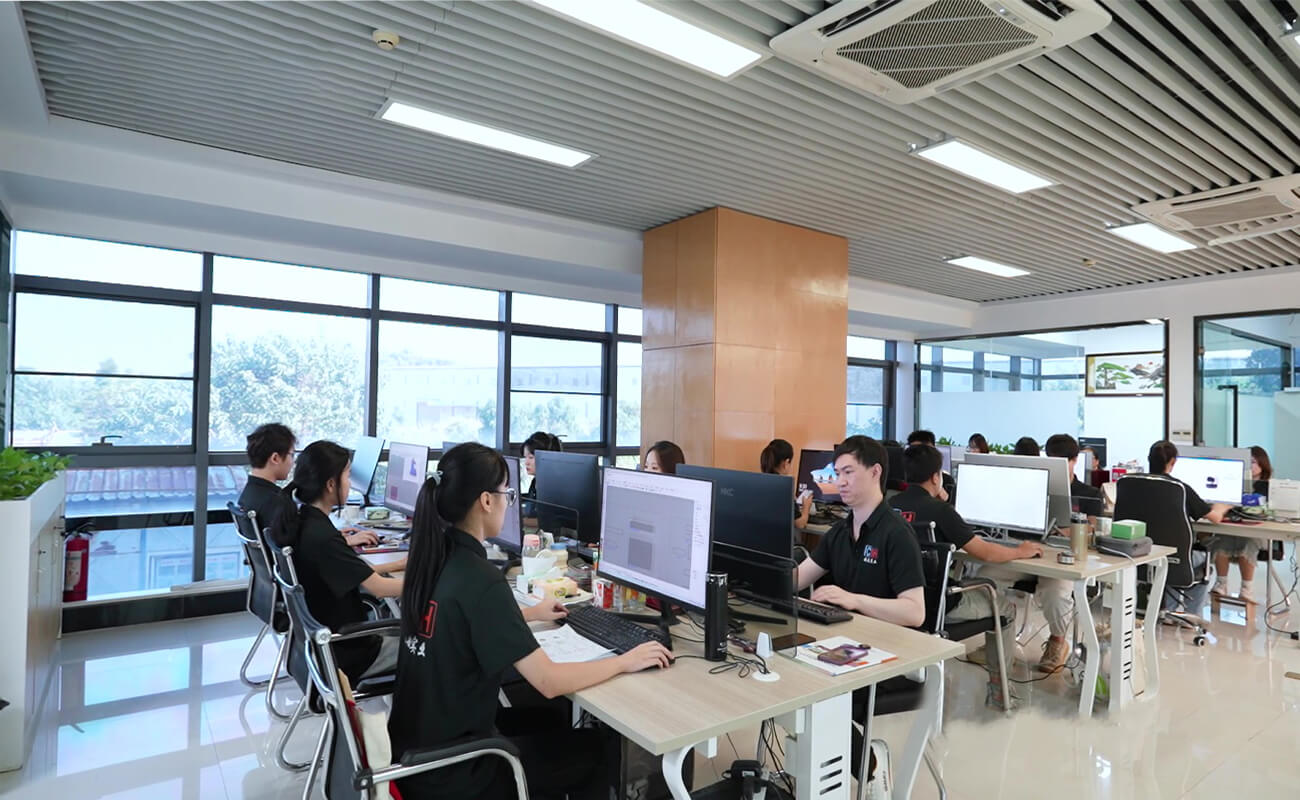
Capital Expenditure vs. Depreciation Modeling
When you're running the numbers on total cost of ownership (TCO), the initial Capital Expenditure (CAPEX) of a commercial water slide must be weighed against its depreciation schedule. Cheap, residential-grade inflatables made from lightweight nylon or thin vinyl degrade rapidly under the rigorous demands of commercial rental cycles. They usually hit the trash bin within a single season. Conversely, investing in commercial-grade units constructed from 0.55mm to 0.9mm Plato PVC tarpaulin dramatically extends the depreciation schedule. These heavy-duty fabrics resist tearing, UV degradation, and water logging, ensuring the asset remains operational and aesthetically appealing for 5 to 7 years. By amortizing the CAPEX over a longer lifecycle, operators enjoy lower annualized costs and higher net profit margins. To calculate the exact return on investment for your specific fleet and local market rates, utilize our comprehensive ROI modeling tools for amusement park assets.
Market Demand & Venue Versatility
The commercial inflatable pool slide isn't a one-trick pony; it thrives across an expansive range of event verticals. Beyond the standard backyard birthday party, these units are in high demand for corporate picnics, municipal park events, property promotion events, and shopping mall activations. Their versatility lies in their ability to serve as a visual anchor for any event. Event planners and property managers are constantly hunting for unique attractions that draw crowds and keep attendees engaged for hours. By offering a high-capacity water slide, your business moves from being a simple party vendor to a comprehensive event solutions provider. This expanded capability lets you tap into corporate budgets, which are substantially larger and more consistent than residential consumer spending. It insulates your business from seasonal fluctuations in the private party sector.
Engineering & Material Specifications
In the shop, we see the fundamental difference between a liability-inducing toy and a profitable commercial inflatable pool slide: it's all in the material science and structural engineering. B2B operators must scrutinize the construction of their assets to ensure they can endure the dynamic loads generated by dozens of simultaneous users, constant water flow, and high-velocity impacts at the slide transition zones. Inflatable structures have evolved significantly from their early textile origins, now incorporating advanced polymer chemistry and precision manufacturing techniques. Industry leading manufacturers like Jungle Jumps and top-tier factories have established the baseline for what constitutes commercial-grade manufacturing, setting the standard for safety and longevity.
PVC Tarpaulin Grades: 0.55mm vs. 0.9mm
The skin of any commercial inflatable is its first line of defense. The industry standard for dry slides and general bounce houses is 0.55mm PVC tarpaulin, which provides excellent tensile strength and abrasion resistance. But when you introduce water, the operational dynamics change drastically. Water reduces friction, increasing user velocity and impact forces at the bottom of the slide. It also adds significant weight to the structure and introduces the risk of material degradation if the fabric is highly porous. That's why premium water slides utilize 0.9mm Plato PVC tarpaulin in high-impact zones and landing pools. This thicker, high-density polymer offers superior impact absorption, 100% waterproofing, and exceptional UV resistance. The 0.9mm material prevents waterlogging, ensuring the slide dries rapidly between sessions and mitigating the rapid mold and mildew growth that destroys inferior fabrics.
Stainless Steel D-Ring & Anchor Point Engineering
The structural integrity of an inflatable under dynamic load relies entirely on its anchoring system. When a 200-pound adult hits the slide pad after a steep descent, the kinetic energy transfers through the inflatable body and directly into the ground anchors. Here's where guys cut corners: standard galvanized steel D-buckles are highly susceptible to rust when exposed to constant water spray, chlorinated pool water, and damp storage conditions. As rust blooms, it weakens the metal, creating a catastrophic failure point at the exact moment the anchor is subjected to maximum shear stress. Upgrading to 304 or 316 stainless steel D-rings eliminates this corrosion vector. Stainless steel maintains its structural integrity and tensile strength indefinitely, even in fully aquatic environments. It ensures that the anchor webbing and the D-ring itself can withstand the extreme wind loads and dynamic user forces specified by commercial safety standards.
Thermal Welding & Reinforced Stitching
The seams are the Achilles' heel of any pool slide. To prevent catastrophic seam failure, top-tier manufacturers employ a combination of high-temperature thermal welding and reinforced stitching. The interior structure utilizes double and quadruple stitching at all stress points, such as the slide transitions, climbing walls, and pool boundaries. Beyond that, the PVC tarpaulin panels are thermally welded at the seams to create an airtight, waterproof bond. This dual fastening method means that even if the external stitching takes a beating from friction or minor damage, the thermal weld maintains the structural pressure and prevents catastrophic tearing. Internal baffles are also securely stitched to distribute user weight evenly across the structure. This prevents localized overpressure and ensures the slide retains its rigid, towering profile during high-throughput events.
Safety Standards & Compliance Frameworks
Operating a commercial inflatable pool slide in the USA requires strict adherence to safety regulations and compliance frameworks. Beyond the moral imperative to protect users, compliance is a business necessity. Commercial insurance providers and venue managers will not underwrite or permit inflatable installations that lack recognized safety certifications. Failure to comply can result in denied insurance claims, massive liability exposure, and the revocation of operating permits. Understanding the nuances of these certifications is vital for protecting your business and your clientele.
Decoding CE-EN14960, ROHS, and UL Certifications
When you're evaluating an inflatable pool slide for your fleet, check the paperwork. The CE-EN14960 certification is the internationally recognized standard for the safety of inflatable play equipment, dictating strict guidelines for impact attenuation, entrapment hazards, structural stability, and material flame resistance. ROHS (Restriction of Hazardous Substances) certification ensures that the PVC material and any associated electronic components do not contain toxic levels of lead, mercury, or cadmium—which is critical for child-safe products. Then there's UL (Underwriters Laboratories) certification, which pertains specifically to the electrical safety of the blowers and heating elements used in conjunction with the slide. A UL-listed blower guarantees that the electrical components have been tested for fire and shock hazards, a non-negotiable requirement for commercial operation in the United States.
Wind Ratings & Structural Integrity Protocols
Wind load is the big one—the biggest environmental threat you'll face out in the field with any inflatable structure. Commercial inflatable water slides are engineered with specific wind ratings, generally safe for operation in sustained winds up to 20 to 25 mph. Exceeding those limits places undue lateral stress on the D-rings and anchor stakes, potentially leading to structural deformation or total failure. Operators must implement strict weather monitoring protocols and have a clearly defined emergency deflation plan. If winds exceed the rated threshold, kill the blower immediately, and get the unit evacuated and secured. Understanding the specific aerodynamic limits of your equipment is critical for risk management. For a detailed breakdown of structural engineering and safe operational parameters, consult our comprehensive guide on inflatable slide wind ratings.
Featured Commercial Inventory: Real Product Specs
Selecting the right commercial inflatable pool slide requires matching throughput capacity with venue footprint. Below are our two flagship models engineered for the US rental market, offering distinct advantages depending on your target demographic and operational strategy.
Model 1: High Quality Inflatable Water Slide with Pool
Let's look at the hardware. The ultimate centerpiece for any large-scale event, Model CH-WS082 features a massive landing pool and high side walls, designed for high-impact visual appeal and safe splashdowns at community festivals, corporate picnics, and property promotion events. The towering 18-foot profile guarantees it will be the most photographed attraction at any venue, driving organic marketing and repeat bookings for your rental fleet.
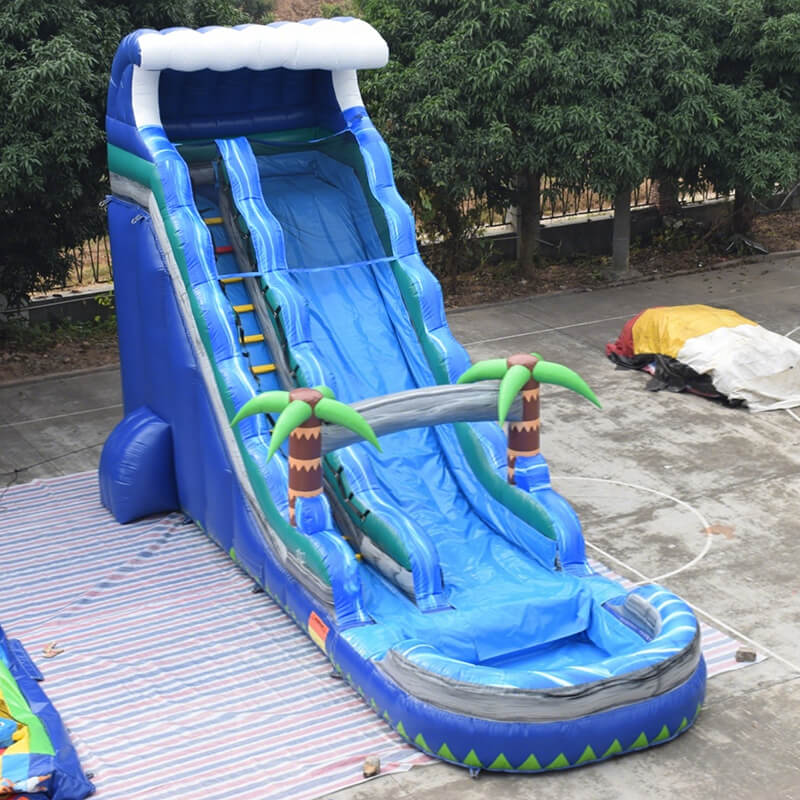
| Brand Name | CH Inflatables |
| Model | CH-WS082 |
| Size | L10*W3.6*H5.5m / L32.8xW11.81xH18.04ft |
| Weight | Depends on the actual situation |
| Capacity | 10-15 peoples |
| Material | 0.55mm PVC tarpaulin |
| Accessories | Repair kits, Blower |
| Certification | CE-EN14960, ROHS, UL |
| Usage | Shopping Mall / property promotion events, park activities |
View Product Details & Pricing ➔
Model 2: High Quality Inflatable Pool Water Slides
Now, if you need volume and continuous throughput, look at Model CH-WS102. It features an elongated, lane-style design that maximizes user flow, making it a high-ROI asset for high-traffic backyard parties, campgrounds, and school events. The narrow 4.92-foot width makes it incredibly efficient for venues with limited lateral space while still providing a thrilling 34-foot vertical drop.
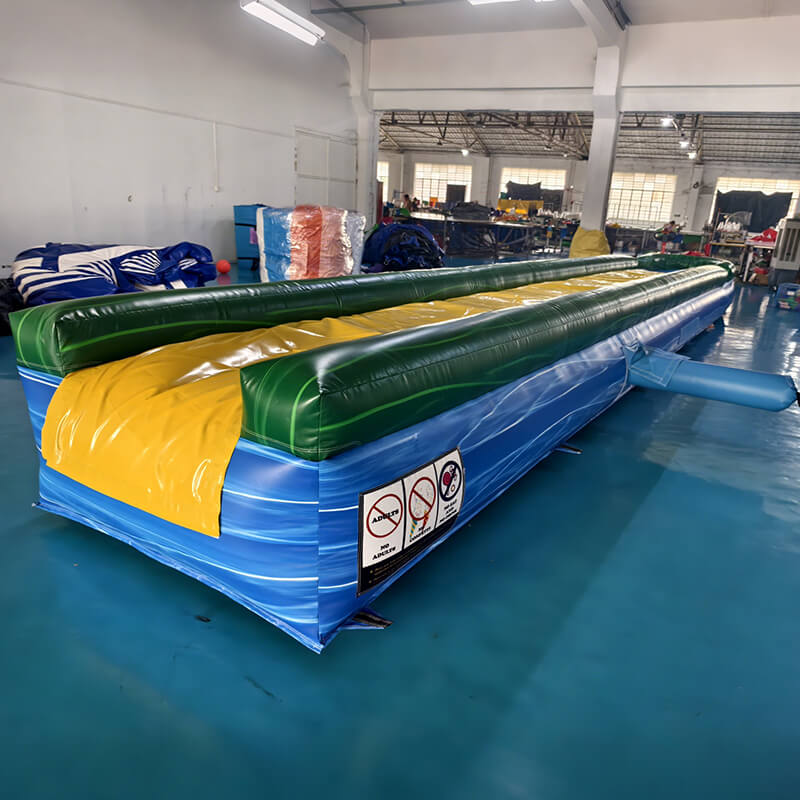
| Brand Name | CH Inflatables |
| Model | CH-WS102 |
| Size | L10.37*W1.5m / L34.02xW4.92ft |
| Weight | Depends on the actual situation |
| Capacity | 10-15 peoples |
| Material | 0.55mm PVC tarpaulin |
| Accessories | Repair kits, Blower |
| Certification | CE-EN14960, ROHS, UL |
| Usage | Shopping Mall / property promotion events, park activities |
View Product Details & Pricing ➔
Operational Logistics for Rental Fleets
Owning the hardware is only half the battle. In the shop, we know that deploying it efficiently and maintaining it properly dictates your actual profit margins. Labor is the highest operational cost for rental businesses, and massive water slides can be cumbersome if not handled strategically. Implementing standardized protocols for setup, teardown, storage, and power management minimizes overhead and extends the functional lifespan of your capital assets.
Setup, Teardown, and Labor Optimization
Because of the thick PVC construction and stainless steel hardware, commercial water slides are inherently heavier than dry units. A standard 18-foot slide can weigh upwards of 150 to 200 pounds. To optimize labor, crews should utilize specialized folding techniques rather than attempting to roll the unit randomly. The slide needs to be folded systematically from the top down, expelling air as you go, to create a compact, manageable rectangular package. Utilizing heavy-duty appliance dollies or custom PVC carrying bags with reinforced handles significantly reduces the physical strain on your crew. This cuts down setup time and minimizes workplace injuries, which are a major liability and cost center for rental operators.
Storage, Mold Prevention, & Patch Protocols
Look, the single greatest enemy of an inflatable pool slide is mold. I've seen too many guys roll up a damp slide on a Sunday night and ruin a $3,000 asset by Tuesday morning. Because PVC is non-porous, moisture doesn't absorb into the material, but it does cling to the surface and gets trapped in the folded seams during storage. If a slide is packed away while even slightly damp, mold and mildew will bloom within 48 hours, creating permanent black staining and degrading the structural stitching. Operators must rigorously dry the unit—preferably in direct sunlight—before rolling it for storage. Should a puncture occur, the provided repair kits are your first line of defense. Always clean the affected area with alcohol, cut a rounded patch slightly larger than the tear, and apply PVC-specific adhesive to ensure an airtight, waterproof seal. For detailed strategies on protecting your investment during the off-season, refer to our essential guide to inflatable water slide storage.
Power Consumption & Blower Management
Maintaining constant structural rigidity is vital for user safety. A commercial inflatable pool slide requires a continuous, high-volume air supply, typically provided by a 1.5 HP to 2.0 HP HW brand blower. These blowers draw a significant amount of electricity—usually between 7 to 12 amps—and must run continuously while the unit is occupied. Voltage drop due to long, improperly gauged extension cords is the primary cause of blower motor failure and unexpected deflation. Operators must use heavy-duty, 10-gauge extension cords and ensure that each blower is on a dedicated 15-amp circuit. When operating at remote venues without grid power, a portable inverter generator rated for at least 3000W continuous output is required to handle the initial startup surge and continuous load of the blower motor. To ensure safe and efficient power delivery across your entire operation, consult our detailed resource on inflatable park power management.
Portfolio Expansion: From Backyards to Water Parks
As your rental business matures, scaling from individual backyard rentals to large-scale commercial installations is how you make the real money. The same heavy-duty inflatable technology used for single-slide rentals can be aggregated and scaled to create massive temporary water parks, drive foot traffic to shopping malls, and anchor county fair midways. This pivot from B2C to B2B municipal and corporate events dramatically increases contract sizes and ensures multi-day rental agreements.
Scaling into Commercial Aquatic Playgrounds
Combining multiple commercial inflatable pool slides with obstacle courses, splash pads, and floating islands allows operators to pitch comprehensive aquatic playgrounds to summer camps, resorts, and municipal parks. These turnkey water parks offer an incredible value proposition for clients who want the draw of a water attraction without the permanent construction costs and zoning hurdles of a concrete pool. By aggregating multiple high-throughput units, you create a self-contained, high-ticket event solution. For operators looking to scale into massive open-air installations, explore the possibilities within an on-land inflatable water park. For clients with lakefront or oceanfront properties, expanding your inventory to include a floating inflatable obstacle course provides a totally unique, high-margin attraction that traditional rental companies simply cannot offer.
Custom Branding, Thematic Engineering, & OEM Pipelines
In a crowded rental market, brand visibility is paramount. Custom theming and OEM branding allow you to transform a generic slide into a proprietary asset that markets your business every time it is inflated. CH Inflatables leverages 17 years of manufacturing excellence to offer comprehensive customization pipelines. We can digitally print your company logo, website, and phone number directly onto the PVC tarpaulin using UV-resistant inks that will not fade under harsh summer sun. Beyond branding, we engineer custom thematic elements—whether you need a tropical jungle motif for a resort client, a patriotic color scheme for a Fourth of July municipal contract, or a bespoke obstacle layout for a corporate team-building event. Our OEM capabilities allow you to dictate the exact dimensions, slide angles, and pool depths required for your specific operational niche, ensuring your inflatable pool slide stands out in a highly competitive marketplace.

Deep-Dive Technical FAQ for B2B Operators
Are commercial inflatable pool slides durable enough for constant rental use and water exposure?
Should I build a DIY pool slide or invest in a commercial inflatable?
What size inflatable pool slide delivers the best ROI for party rentals?
How do I calculate the ROI of a commercial inflatable water slide for my rental fleet?
What are the power and blower requirements for operating an 18ft+ commercial water slide?
📚 References & Further Reading
- ⚙️ Industry Standard: Wikipedia - Inflatable Castle
- ✅ Related Guide: Inflatable Amusement Park ROI