How to clean an inflatable park?

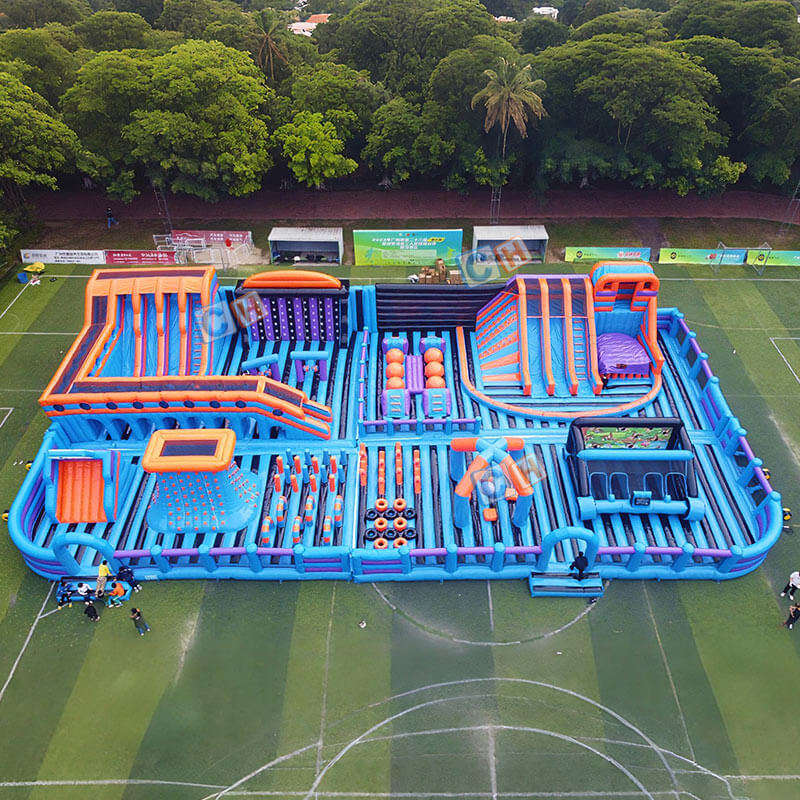
How to Clean an Inflatable Park: A Complete Guide for Safety & Longevity
A complete, professional guide to cleaning and disinfecting inflatable parks. Follow industry best practices to ensure visitor safety, comply with health standards, and extend the life of your equipment.
How to Clean an Inflatable Park: A Complete Guide for Safety & Longevity
Inflatable parks—including indoor inflatable playgrounds, bounce houses, obstacle courses, and land-based water inflatables—are popular attractions for families, event companies, and entertainment venues. However, proper cleaning and disinfection are critical to maintaining a safe environment for visitors, preventing the spread of germs, and extending the lifespan of your inflatable equipment.
This guide follows industry standards, health and safety best practices, and professional maintenance protocols to help you clean your inflatable park correctly and efficiently.
1. Understanding the Importance of Regular Cleaning
Regular cleaning is not just a matter of hygiene—it directly affects:
Visitor health and safety
Compliance with local health regulations
Customer trust and positive reviews
Durability of PVC and commercial-grade inflatable materials
Reduction of mold, mildew, odors, and premature wear
Without a consistent cleaning routine, inflatables can accumulate dirt, sweat, bacteria, and allergens, leading to health risks and costly equipment replacement.
2. Pre-Cleaning Preparation & Safety
Before beginning any cleaning process, follow these safety steps to protect your staff and equipment.
2.1 Required Cleaning Tools & Supplies
Soft-bristled brushes or sponges
Low-pressure water hose or washer (max pressure recommended for PVC materials)
pH-neutral, non-abrasive inflatable cleaner
Commercial-grade disinfectant approved for soft play surfaces
Microfiber cloths
Wet-dry vacuum (for debris and water removal)
Personal protective equipment (gloves, masks)
“Closed for cleaning” signage
2.2 Pre-Clean Safety Steps
Turn off and unplug all blowers and electrical equipment.
Ensure the inflatable is partially or fully inflated for easier cleaning.
Remove all loose debris, toys, and accessories.
Inspect the inflatable for tears, holes, or loose seams before cleaning.
Place warning signs to prevent unauthorized entry during maintenance.
3. Daily Cleaning Routine for Inflatable Parks
Daily cleaning is essential for high-traffic inflatable parks. Follow this step-by-step process.
3.1 Remove Loose Debris
Use a broom, lightweight vacuum, or leaf blower to remove dust, dirt, hair, food crumbs, and small objects from surfaces, corners, and seams.
3.2 Wipe Down High-Touch Surfaces
High-touch areas require frequent attention:
Entrance and exit ramps
Handholds and climbing areas
Seating platforms
Obstacle course elements
Use a safe, non-irritating disinfectant and allow proper contact time as directed by the product label.
3.3 Spot-Clean Stains
Treat visible stains with a pH-neutral cleaner and soft brush.Avoid harsh chemicals, bleach, or abrasive scrubbers that can damage PVC coatings.
4.Deep Cleaning & Disinfection Protocol
Deep cleaning should be performed weekly or bi-weekly, depending on usage.
4.1 Full Surface Cleaning
Use a low-pressure water system to gently rinse the entire inflatable.
Apply professional inflatable cleaner and scrub lightly.
Rinse thoroughly to remove all soap residue.
4.2 Proper Disinfection
Use a disinfectant that:
Is effective against bacteria and viruses
Is safe for PVC inflatable materials
Meets local health department requirements
Apply evenly, allow sufficient dwell time, then air-dry completely.
4.3 Thorough Drying Process
Drying is the most important step to prevent mold and mildew.
Keep blowers running during ventilation
Air-dry in a well-ventilated area
Wipe excess moisture from seams and folds
Never fold or store inflatables while damp
5. Long-Term Maintenance & Storage Best Practices
To maximize the lifespan of your inflatable park:
Inspect and repair small damages immediately
Clean and fully dry before long-term storage
Store in a cool, dry, dust-free environment
Avoid direct prolonged sunlight exposure
Keep away from sharp objects, excessive heat, and chemicals
6. Health & Safety Compliance Notes
Maintaining detailed cleaning logs is highly recommended for:
Health inspections
Compliance verification
Building customer trust
Liability protection
Document cleaning times, products used, staff members, and inspection results.
7. Key Mistakes to Avoid
Using high-pressure washers that damage seams
Using bleach, ammonia, or harsh chemicals
Skipping the drying stage
Cleaning infrequently in high-traffic seasons
Storing inflatables wet or dirty
Final Thoughts
A clean, well-maintained inflatable park provides a safer experience, improves customer satisfaction, and protects your business investment. By following this professional cleaning guide, you uphold high standards of hygiene, comply with industry regulations, and extend the life of your inflatables for years of use.Regular cleaning isn’t just a task—it’s a core part of running a responsible, successful inflatable attraction business.