
Commercial Inflatable Water Slide For The Pool: Boost Your Rental ROI

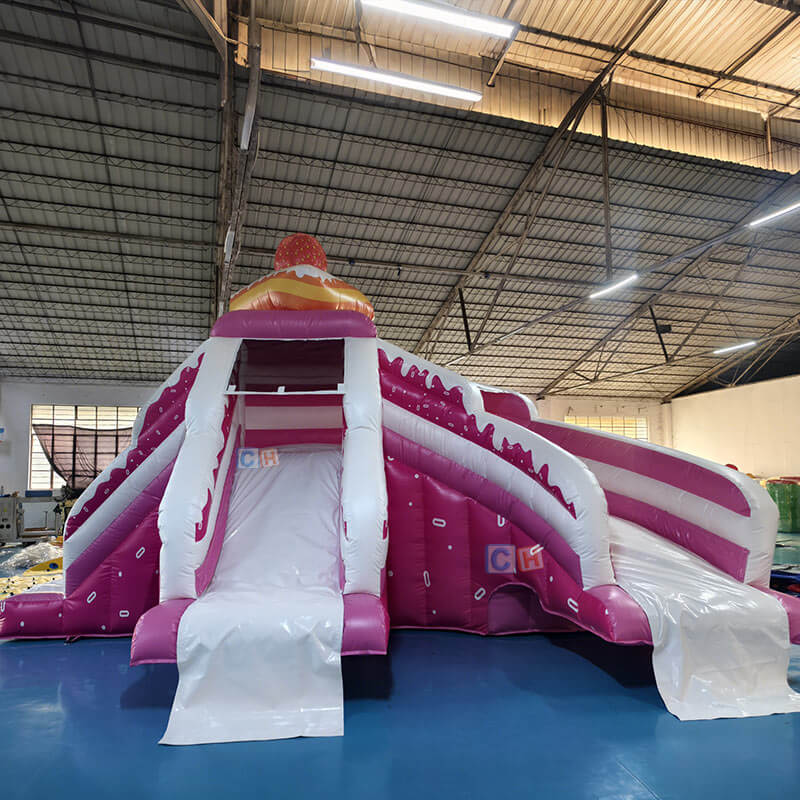
Commercial Inflatable Water Slide For The Pool: Boost Your Rental ROI
Hook & Dual-TOC Plan
The Hook
Look, if you are running a B2B rental operation, managing event logistics, or overseeing a commercial amusement park, maximizing summer revenue isn't just about having inventory—it is about investing in equipment that offers both high visual appeal and unyielding durability. Here's the deal: a commercial inflatable water slide for the pool is the ultimate revenue-generating asset during peak season. It acts as an absolute magnet for community events, resort guests, and high-end private backyard parties. But let me be blunt with you—not all inflatables rolling off the assembly line are engineered to withstand the rigorous, daily abuse of commercial use. In the shop, we see cheap units come back shredded after a single weekend. Understanding the technical specifications, material grades, and safety certifications is critical to protecting your investment, minimizing maintenance downtime, and ensuring a massive return on investment (ROI). This comprehensive guide is designed specifically for industry professionals who demand aerospace-level reliability from their amusement equipment.
By diving deep into the structural engineering, PVC tarpaulin composition, and advanced drainage systems of commercial-grade water slides, we will uncover exactly what separates a fleeting seasonal purchase from a decade-long profitable asset. From dual-lane tropical designs to massive pool-integrated splash zones, we will analyze how superior manufacturing processes—such as high-frequency welding and YKK zipper integration—directly impact your bottom line. Equip your rental fleet with the right equipment, optimize your operational logistics, and dominate your local market with a premium inflatable water slide for the pool that clients specifically request by name. We are going to look at the raw materials, the airflow dynamics, and the brutal logistics of flipping these units day in and day out.
Dual-TOC Framework
1. Full-Width Static TOC Block: Positioned immediately below the introduction, this static HTML block features a styled, bulleted list of all H2 headings with anchor links corresponding to their specific id tags. This provides a clear, scannable roadmap for users on mobile and desktop, reducing bounce rates and increasing time-on-page.
2. Desktop-Collapsed Floating Menu: A sticky, scroll-triggered JavaScript-powered navigation menu that appears in the bottom-right corner of the screen on desktop viewports. It remains collapsed behind a "Contents" icon to avoid obstructing the main content, expanding on hover to reveal the H2 sections and allowing users to seamlessly jump to technical deep-dives without scrolling back to the top.
Table of Contents
- 👉 Commercial vs. Residential Inflatable Water Slides: Why Material Matters
- 👉 Engineering & Safety: How a Commercial Inflatable Water Slide Works
- 👉 Maximizing Rental ROI: Logistics, Setup, and Storage
- 👉 Top Commercial Inflatable Water Slides For The Pool: Specs & Features
- 👉 Frequently Asked Questions
Commercial vs. Residential Inflatable Water Slides: Why Material Matters
When sourcing an inflatable water slide for the pool, the most critical distinction a B2B buyer must make is between residential and commercial grades. Residential inflatables are typically constructed from lighter nylon or low-denier polyester. This material is fine for occasional backyard use by a couple of kids, but it will rapidly delaminate and tear under the daily commercial rental stress of dozens of hyperactive children. Commercial inflatables, on the other hand, are manufactured using heavy-duty PVC tarpaulin. This thermoplastic polymer is engineered for extreme puncture resistance, UV stabilization, and total waterproofing. For rental businesses, investing in commercial-grade PVC is non-negotiable; it dictates the lifespan of the unit and the frequency of costly repair patches. The structural foundation of any commercial amusement device begins with its base fabric and polymer coating. Cheaper residential units lack the tensile strength required to support multiple simultaneous users, leading to catastrophic seam failure under the dynamic loads generated by sliding and jumping.
Understanding PVC Tarpaulin Grades (0.55mm vs 0.9mm)
The thickness of the PVC tarpaulin directly correlates to the structural integrity and weight capacity of the inflatable. A standard commercial slide utilizes 0.55mm (18oz) PVC tarpaulin, which offers an excellent balance of durability and manageable weight for your setup crews. This thickness features a robust base fabric (typically 1000D or 1300D) coated on both sides with liquid PVC. The high-tenacity polyester yarns within the core provide the tear resistance necessary to withstand the kinetic energy of children running and sliding. However, for massive, high-impact structures or pool slides that are permanently docked in chlorinated water, 0.9mm PVC is highly recommended. The thicker 0.9mm material provides superior rip-stop capabilities and enhanced resistance to chemical degradation from pool sanitizers, ensuring the slide maintains its airtight integrity over years of heavy use. Chlorine and other pool chemicals can break down inferior plastics over time, causing them to become brittle and prone to fracturing. By utilizing 0.9mm heavy-duty PVC with a 1300D base fabric, manufacturers ensure the material resists oxidative degradation, preserving the flexibility and structural memory of the slide. You can learn more about material longevity in our deep dive on inflatable water slide materials.
Stress Points and Stitching Techniques
Beyond the raw material, the manufacturing methodology determines the safety of the inflatable. In the shop, we inspect the stitching before anything else. Top-tier manufacturers utilize double or quadruple stitching at all high-tension seams, such as the joints between the sliding lanes, climbing steps, and bounce areas. Industrial sewing machines deploy high-tensile, rot-resistant nylon thread to bind the PVC panels. The stitching pattern is designed to distribute the sheer forces evenly across the seam, preventing localized stress concentrations that lead to ruptures. We also look for commercial inflatables that feature reinforced anchor points utilizing stainless steel D-buckles. These D-buckles are embedded deep into the PVC folds and cross-stitched to distribute kinetic energy safely when the unit is secured to the ground. Cheap alternatives often use welded fabric loops that can sheer off under high wind loads or active play, creating severe liability risks. High-frequency welding is another critical technique used to fuse PVC panels seamlessly, creating bonds that are often stronger than the material itself, particularly around water containment areas and high-stress transition zones. If a manufacturer skips on the industrial thread gauge or uses a single stitch on the climb steps, walk away. It is a disaster waiting to happen on a Saturday afternoon when you have a line of 50 kids waiting to go down.
UV Inhibitors and Plasticizer Migration
Here is something most distributors will not tell you: not all PVC is created equal, even if it is the same thickness. The chemical formulation of the PVC coating dictates how well the slide will survive a full summer baking in the sun. Premium commercial PVC is loaded with UV inhibitors and stabilizers that prevent the polymer chains from breaking down under ultraviolet radiation. Without these additives, the PVC undergoes photo-oxidation, leading to chalking, fading, and eventual embrittlement. Furthermore, you have to consider plasticizer migration. Plasticizers are the chemical compounds added to PVC to make it flexible. In cheaper materials, these plasticizers leach out over time—accelerated by heat and pool chemicals—leaving the material stiff and prone to cracking. When you are evaluating a commercial inflatable water slide for the pool, ask the manufacturer about their specific PVC formulation and whether it is designed to resist plasticizer migration in aquatic environments. A high-quality unit will maintain its supple, rubber-like feel even after three years of heavy summer use. If it feels stiff out of the box, it will tear in the field.
Engineering & Safety: How a Commercial Inflatable Water Slide Works
The operational success of an inflatable water slide relies on a delicate balance of pneumatic pressure, structural tension, and hydrodynamic design. A commercial inflatable is not a sealed balloon; it is a continuous-air-pressure system. Understanding the mechanics behind this airflow and how water interacts with the structural fabric is essential for rental operators who need to troubleshoot issues in the field. The physics of maintaining a rigid structure using low-pressure air requires precise engineering. The internal baffling system directs air to support the vertical columns and horizontal platforms, ensuring the unit does not buckle under asymmetric loading. We strongly recommend reviewing inflatable safety protocols to complement this technical knowledge, as operator awareness is the first line of defense against equipment failure.
Continuous Airflow Systems & Blower Mechanics
Commercial water slides operate using a constant air displacement system. A high-performance, electrically driven blower (typically 1.5 HP to 2.0 HP) forces air into the inflatable structure continuously. Because the unit is not hermetically sealed—air escapes through the seams and specially designed pressure relief valves—the blower must constantly replenish the air to maintain the rigid shape required for safe sliding. The blower's CFM (Cubic Feet per Minute) rating must be perfectly matched to the internal volume of the slide. If the CFM is too low, the structure will sag under the weight of users; if it is too high, it can cause excessive internal pressure that stresses the seams. Premium units use HW dedicated blowers that are rain-resistant and thermally protected to prevent overheating during 8-hour event deployments. These blowers feature integrated thermal overload protectors that automatically shut down the motor if the internal temperature exceeds safe operating limits, preventing catastrophic motor failure and potential fire hazards during extended summer operations. In the shop, we always test the impeller clearance and check the intake screens. A clogged blower intake restricts airflow, causing the motor to work harder, draw more amperage, and eventually trip the thermal cutoff. Your crew needs to keep those blower screens clean, or you will be replacing motors halfway through July.
Pneumatic Baffling and Load Distribution
Look inside an inflatable while it is deflated, and you will see a complex web of nylon straps and PVC tubes. This is the baffling system, and it is the skeleton of the entire structure. The baffles tie the front wall to the back wall, preventing the inflatable from ballooning outward under pressure. When a 150-pound teenager lands at the bottom of the slide, that kinetic energy has to go somewhere. The baffles distribute that force across the entire base of the unit and down into the ground. If a baffle tears loose from its anchor point—usually due to poor stitching or adhesive failure—you will see a localized bulge appear in the side wall of the slide. That bulge is a structural failure waiting to happen. High-end manufacturers use computerized stress mapping to determine exactly where baffles need to be placed and how wide the straps need to be to handle the dynamic loads of sliding and jumping. They use heavy-duty webbing, often 2-inch wide seatbelt material, folded into the PVC seams. This is the kind of engineering detail that separates a slide that lasts one season from one that lasts ten.
Drainage and Water Management Systems
Integrating a water slide with a pool introduces complex hydrodynamic challenges. If water infiltrates the internal air chambers, the added weight can compromise the structural integrity and make the unit impossible to pack up. Premium commercial slides are engineered with strategic, built-in drainage valves usually located at the lowest points of the bounce area and slide lanes. These valves utilize a one-way flap system that allows pooled water to escape naturally under pressure while preventing air from leaking out. Furthermore, the sliding surfaces are designed with a slight micro-texture to maintain a frictionless, fast slide without requiring excessive water flow, which helps manage water consumption at events where municipal hookups are unavailable. The management of surface water is equally critical; the sliding lanes are angled precisely to utilize gravity, channeling water down to the splash pool without creating hydroplaning hazards that could launch riders off the slide prematurely. For compliance and safety standards, always cross-reference equipment with recognized industry bodies like PIPA and ADIPS to ensure the design meets international amusement device regulations.
Maximizing Rental ROI: Logistics, Setup, and Storage
The profitability of an inflatable water slide for the pool is not just determined by the rental rate you charge, but by how efficiently your team can transport, deploy, and retrieve the unit. Labor is the highest operational cost for any B2B rental company. A well-designed commercial slide minimizes setup time, allowing a two-person crew to handle multiple deployments in a single day. By optimizing your logistics, you transform a static asset into a dynamic revenue stream. The turnaround time between events—often referred to in the industry as 'flip time'—is where profitability is won or lost. Equipment that is heavy, difficult to fold, or traps water will bottleneck your delivery schedule, preventing you from fulfilling back-to-back weekend bookings. For businesses expanding their portfolios, consider how these units perform in broader contexts, such as school inflatable slide fundraisers, where rapid deployment across multiple school locations in a single day is often required.
Efficient Setup Protocols for Event Operators
A premium commercial water slide should be deployable in under 20 minutes. The process begins with site assessment: ensuring a level surface free of sharp debris and verifying proximity to adequate power sources for the blowers and water supply. The unit is rolled out, anchored via the stainless steel D-buckles to ground stakes or sandbags before inflation begins to prevent wind-lift during the critical soft-phase of setup. Once the blowers are engaged and the unit reaches full rigidity, the water hoses are attached to the integrated misting systems. Efficient setups rely on high-quality accessories, such as rapid-connect hose adapters and heavy-duty, weatherproof extension cords. Providing your staff with a standardized setup checklist reduces the risk of human error and liability. The inflation phase must be monitored; operators must verify that all baffles are fully expanded and that the structure is standing perfectly plumb before allowing users to board. Explore our range of inflatable slide rentals designed for rapid deployment.
Here is the exact protocol we enforce in the field to ensure zero accidents and maximum speed:
- ⚙️ Site Sweep: Walk the entire footprint. Remove rocks, sticks, and debris. Check for underground sprinklers you might puncture with stakes.
- ⚙️ Unroll and Orient: Position the slide so the blower tubes face your power source and the splash zone faces the pool or designated runoff area.
- ⚙️ Pre-Anchoring: Drive 36-inch heavy-duty steel stakes through every D-ring while the unit is flat. Do not inflate first—a gust of wind can roll an unanchored inflatable before it gains rigidity.
- ⚙️ Inflation & Tensioning: Fire up the blowers. As the unit rises, check that all safety ramps and climbing handles are fully extended and not caught inside the baffles.
- ⚙️ Water Integration: Connect the garden hoses to the built-in misting rings. Turn on the water slowly to check for leaks before applying full pressure.
Deflation, Drying, and Storage Best Practices
The post-event breakdown is where many rental companies lose money through improper maintenance, leading to mold and material degradation. After the event, the blower is reversed or unzipped to rapidly deflate the structure. The most crucial step is thorough drying. Even a slightly damp PVC tarpaulin will develop mildew within 24 hours when stored in a dark, warm environment, which can permanently stain the vibrant colors and weaken the fabric. Operators must utilize the natural slope of the slide to drain pooling water, wipe down the surfaces, and ideally set up the blower to push ambient air through the unit for 15 minutes to dry the internal seams. Once completely dry, the slide should be folded using the "accordion" method to prevent creasing, then rolled tightly to minimize storage volume. Proper storage extends the lifecycle of the unit significantly, directly boosting your ROI by deferring replacement costs and maintaining a pristine, professional appearance that justifies premium rental rates.
The Physics of Folding and Transport
Look, folding a 300-pound wet vinyl slide is not just about brute force; it is about leverage and air displacement. If you just start rolling it from one end, you trap massive pockets of air inside, resulting in a balloon-like roll that will not fit in your truck. You have to walk the air out. We teach our crews to use the accordion fold: fold the outer edges into the center, then fold it in half lengthwise. This creates a long, narrow strip. From there, you start rolling from the heavy end—usually the blower tube end—forcing the remaining air out the open zippers as you go. Use your body weight, not just your arms, to compress the roll. Strap it tight with 2-inch ratchet straps. A properly rolled commercial slide takes up 30% less space in your trailer, allowing you to stack additional inventory and maximize your per-truck revenue. If your crew is struggling, it is usually because they are fighting trapped air, not the weight of the vinyl.
Top Commercial Inflatable Water Slides For The Pool: Specs & Features
Selecting the right model for your specific market is paramount. Below, we highlight two top-tier commercial inflatables engineered by CH Inflatables. These models represent the pinnacle of safety, playability, and commercial durability, designed specifically for high-volume rental operators and commercial venues. Each model has been rigorously tested to ensure it meets the demands of continuous, high-traffic use while providing an engaging, visually striking centerpiece for any aquatic event.
Tropical Themed Dual Inflatable Water Slide for Kids
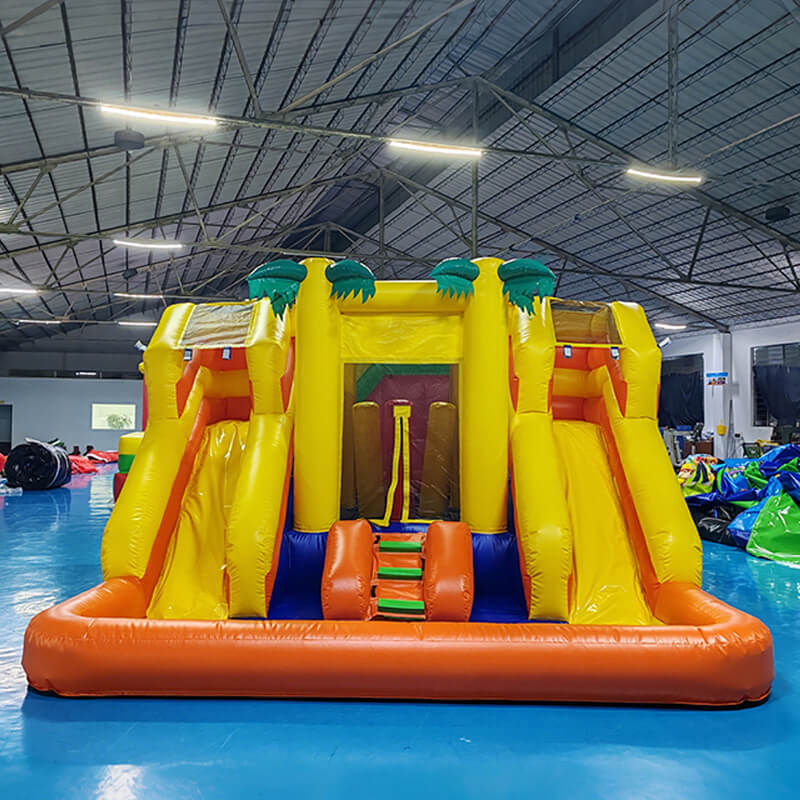
This colorful tropical palm themed Inflatable Water Slide for Kids integrates a large jumping bounce area, double independent wide sliding channels, and a safe ladder climbing structure, perfectly creating a mobile outdoor water amusement park for children. It brings rich diverse gameplay and super high play fun, allowing kids to enjoy climbing upward, sprint sliding down freely, and jumping happily in the inflatable bounce zone, realizing multi-scenario interactive entertainment such as parent-child games, birthday parties, and backyard holiday gatherings. One Inflatable Water Slide for Kids meets all summer water play demands, greatly enhancing children's coordination and social interactive fun.
| Brand Name | CH Inflatables |
| Model | CH-IS015 |
| Size | L4*W4*H2.9m / L13.12xW13.12xH9.51ft |
| Weight | Depends on the actual situation |
| Capacity | 10-15 peoples |
| Material | 0.55mm PVC tarpaulin |
| Accessories | Repair kits, Blower |
| Certification | CE-EN14960, ROHS, UL |
| Usage | Shopping Mall/property promotion events, park activities |
View Product Details & Pricing ➔
Top-Performing Pool Water Slides Inflatable
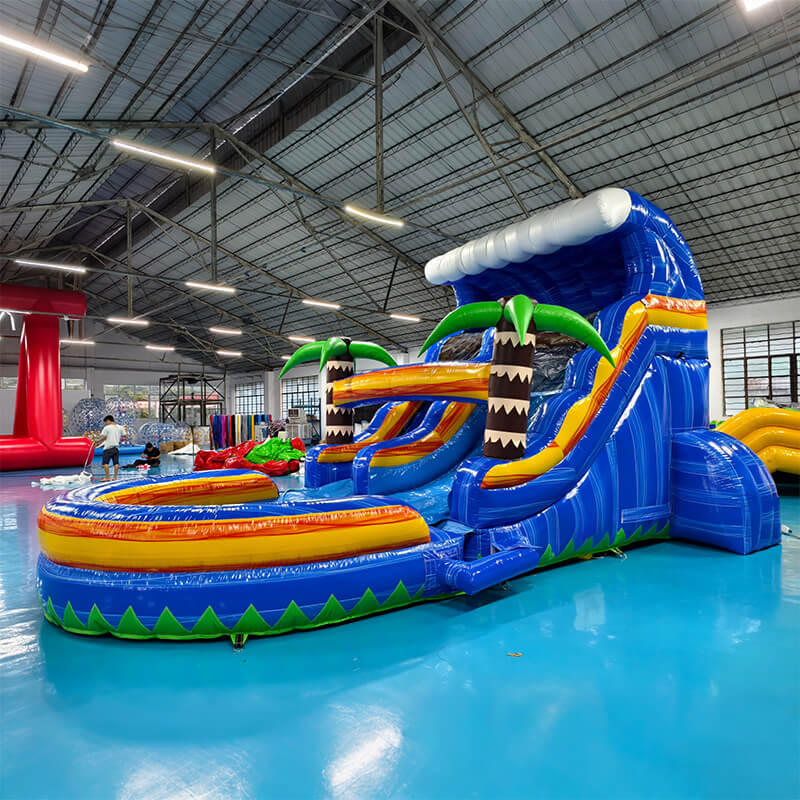
Elevate your rental inventory with our visually stunning pool water slides inflatable. Designed to be the centerpiece of any summer event, this unit features vibrant colors and a thrilling slope that guarantees customer satisfaction. By integrating this eye-catching inflatable into your catalog, you offer a high-demand attraction that captures attention online and offline, driving more inquiries to your rental business. Built with heavy-duty 0.9mm PVC, it is specifically engineered for direct pool integration, resisting chlorine and harsh aquatic environments while maintaining a massive, thrilling slope for maximum rider velocity.
| Brand Name | CH Inflatables |
| Model | CH-WS100 |
| Size | L7*W4*H4m / L22.96xW13.12xH13.12ft |
| Weight | Depends on the actual situation |
| Capacity | 10-15 peoples |
| Material | 0.9mm PVC tarpaulin (Heavy-Duty Upgrade) |
| Accessories | Repair kits, Blower |
| Certification | CE-EN14960, ROHS, UL |
| Usage | Shopping Mall/property promotion events, park activities |
View Product Details & Pricing ➔
Frequently Asked Questions
Is a commercial inflatable water slide for the pool worth the investment for rental businesses?
How do you get water out from inside the air chambers of an inflatable water slide?
Are these massive inflatable pool and slide combos easy to put away after events?
What safety certifications should I look for in a commercial inflatable water slide?
📚 References & Further Reading
- Industry Standard: ADIPS
- Industry Standard: PIPA
- Related Guide: Inflatable Slide Rentals
- Related Guide: School Inflatable Slide Fundraisers
- Related Guide: Inflatable Dry Slide Safety