How to Manage Water Recycling in Inflatable Water Parks

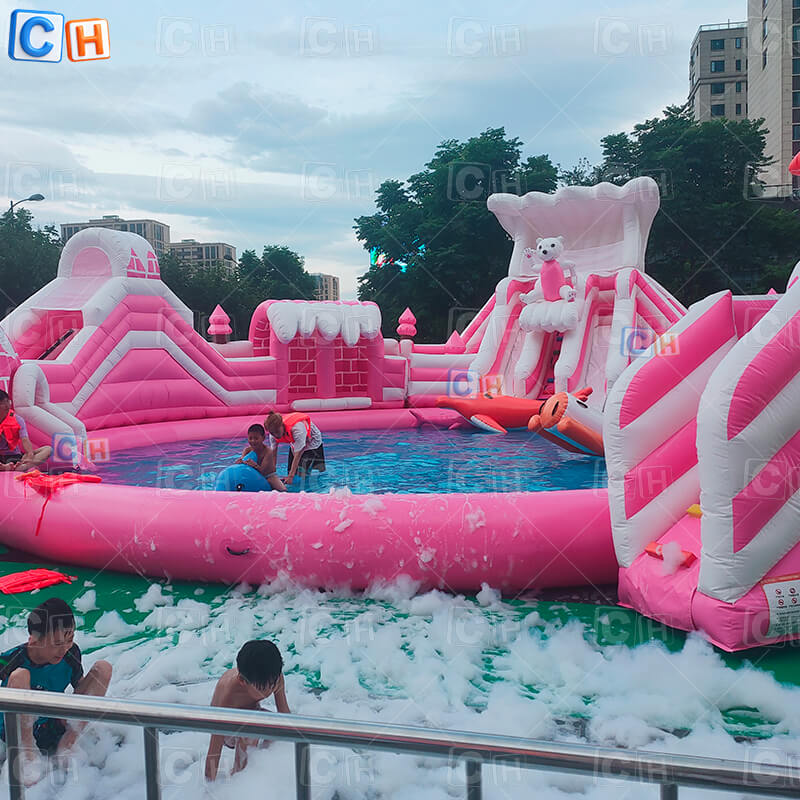
The Shift Toward Sustainable Water Management in Inflatable Parks
For operators of land-based inflatable water parks, water management is often the biggest operational hurdle. Beyond the initial setup, the cost of water, local environmental regulations, and the need for constant sanitation make water recycling a top priority.
After 17 years in the inflatable amusement industry, we’ve seen the transition from simple "fill-and-drain" models to sophisticated, recirculating systems. If you are planning a new park or upgrading an existing one, understanding how to manage water effectively is key to long-term profitability.
Understanding Water Recycling vs. Filtration
It is important to clarify that in the context of inflatable water parks, "recycling" is technically continuous filtration and circulation. Because inflatable pools are typically modular, you aren't just holding water; you are moving it through a treatment loop.
To maintain water quality, a system generally requires:
- High-Capacity Pumps: To ensure the entire volume of the pool turns over at a rate required by local health codes.
- Sand or Cartridge Filters: To remove physical debris, skin cells, and oils.
- Chemical Dosing Systems: To maintain pH levels and chlorine/sanitizer concentrations.
Design Matters: How Inflatables Impact Water Flow
One of the most common mistakes we see in the industry is the disconnect between the inflatable structure and the plumbing. If an inflatable slide or obstacle course is not designed with proper drainage and circulation points, you end up with "dead zones"—areas where water sits stagnant, leading to algae growth and safety risks.
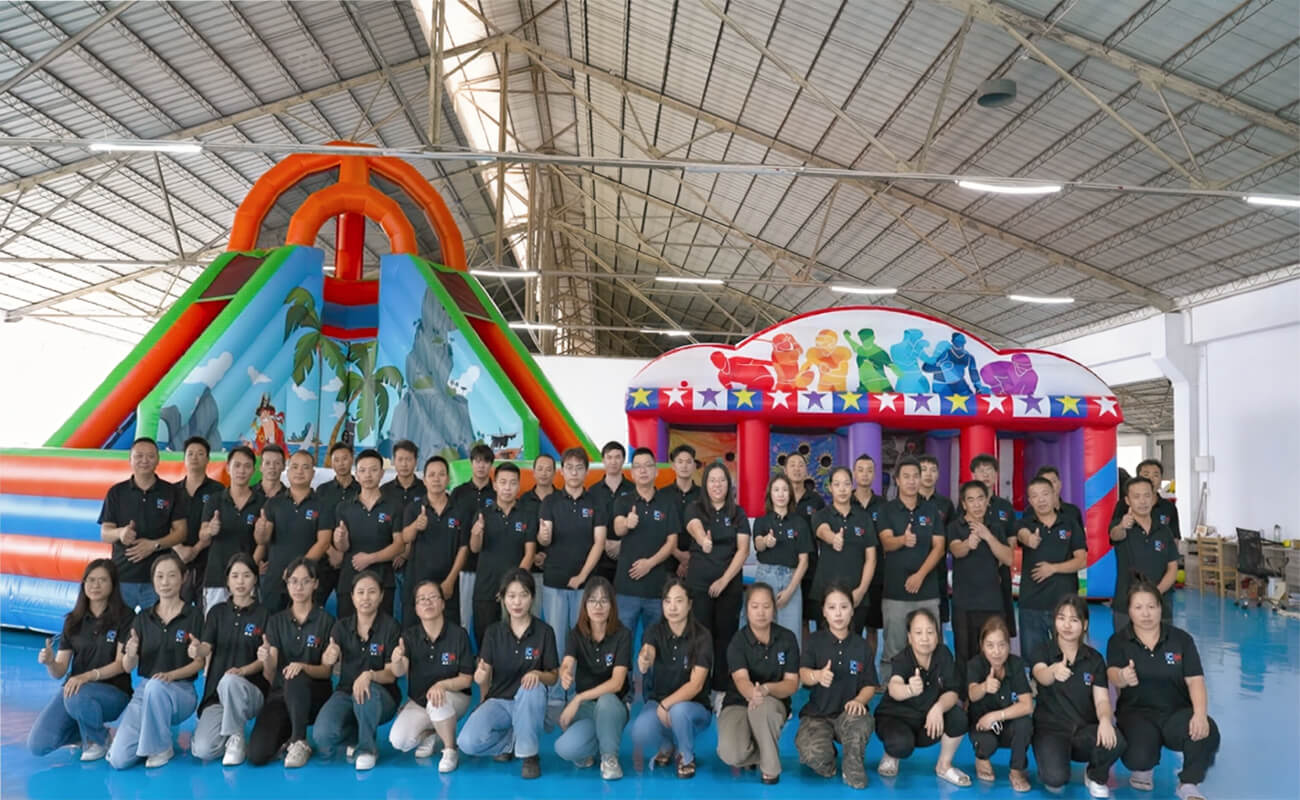
In our 4,000㎡ factory, we emphasize integrated design. When we manufacture custom inflatable water parks, we account for:
- Strategic Inlet/Outlet Placement: Ensuring water is pushed toward filtration points rather than pooling in corners.
- Material Compatibility: Using high-grade, UV-resistant PVC that doesn't leach chemicals, which helps keep your filtration system from clogging or degrading prematurely.
- Modular Connectivity: Designing seams and connection points that allow for easy access to plumbing without compromising the structural integrity of the inflatable.
Maintenance: The Key to Longevity
Even the best filtration system will fail if the inflatable itself isn't maintained. Industry practice suggests a daily inspection routine:
- Skimming: Removing surface debris before it reaches the filter.
- Chemical Testing: Testing water at least twice daily.
- Pressure Monitoring: Checking filter pressure gauges to know when a backwash or cartridge cleaning is required.
Partnering for Success
Building a water park is more than just buying inflatables; it’s about creating a functional ecosystem. With 17 years of experience, our team understands the challenges of balancing high-traffic amusement with water safety.
Whether you need a custom-designed water obstacle course that integrates seamlessly with your existing filtration setup, or you are looking for a turnkey solution for a new park, our in-house design team can help you plan for efficient water flow from the blueprint stage. We don't just build inflatables; we build equipment designed to perform in real-world, high-demand environments.