
Can You Put an Inflatable Water Slide on Concrete?

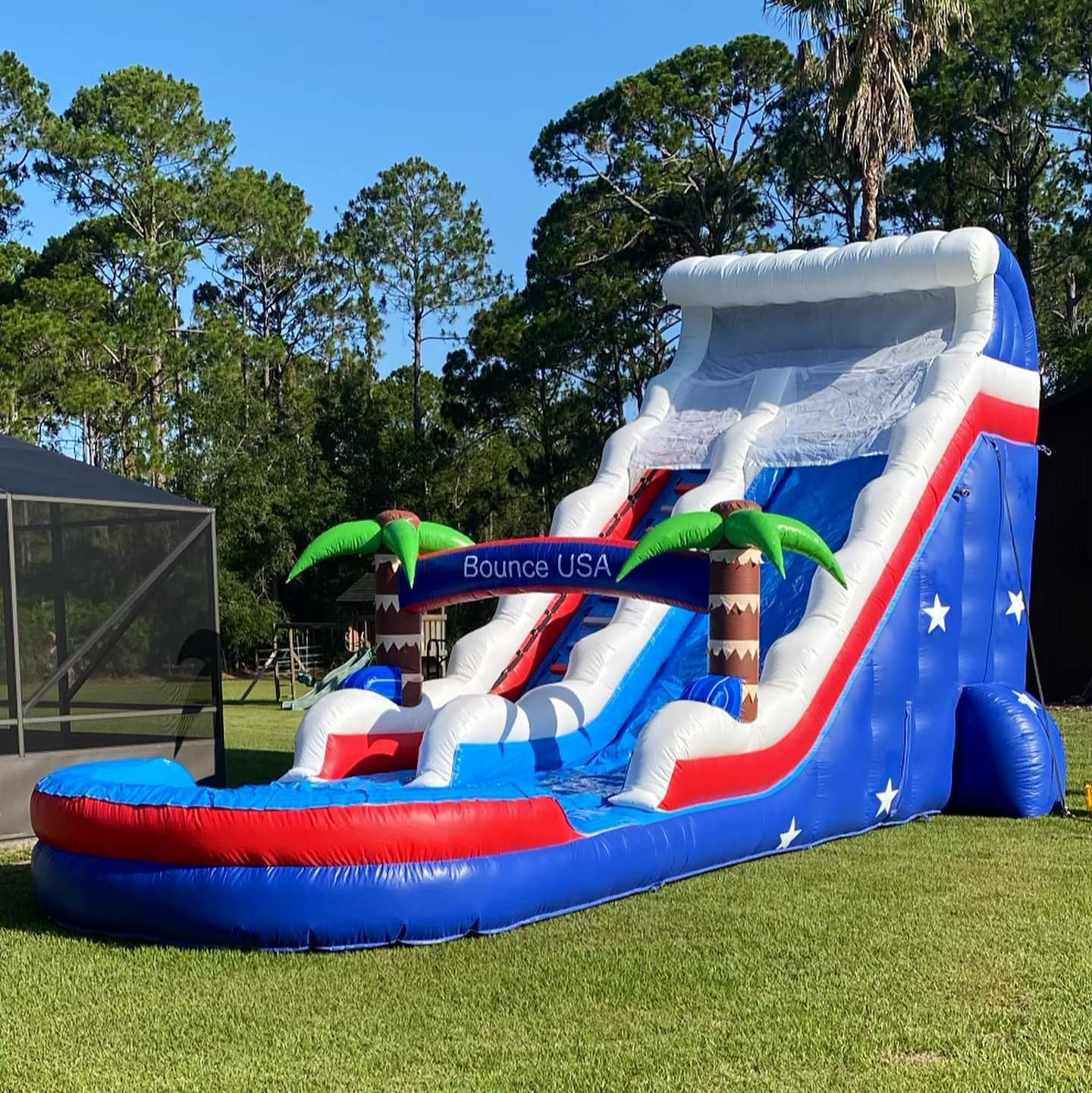
The thought of setting up a vibrant inflatable water slide on a hot summer day is exciting! But what if your backyard is mostly concrete patio or pavement rather than lush grass? This is a common dilemma for many families, and a question we frequently encounter as experts in backyard recreation.
While grass is the ideal surface for an inflatable water slide, the short answer to whether you can put one on concrete is yes, but with significant caveats and crucial protective measures. Simply laying your inflatable water slide directly on concrete is a recipe for damage, instability, and potentially serious injury.
As specialists in product longevity and user safety, we're here to provide the professional knowledge you need to make an informed decision and, if you proceed, ensure the safest possible setup.
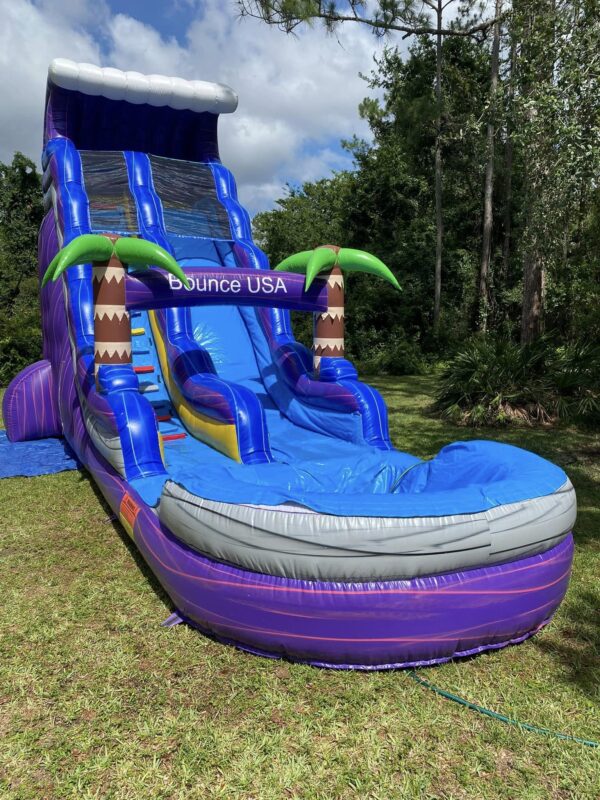
The Risks: Why Concrete Isn't Ideal for Inflatable Water Slides
Understanding the potential problems is the first step towards mitigating them.
- Abrasion and Puncture Damage: Concrete is an incredibly abrasive surface. The constant friction of the inflatable material shifting, even slightly, can quickly wear down the PVC fabric. Small rocks, sharp edges, or even uneven patches on the concrete can cause tears or punctures, leading to costly repairs or even rendering your slide unusable.
- User Safety - Hard Landings: Unlike grass or soft soil that provides some cushioning, concrete offers zero shock absorption. A fall from the slide, or even a clumsy landing in the splash pool, can result in much more severe injuries (bruises, sprains, fractures) than on a softer surface.
- Anchoring Challenges: Inflatable slides must be securely anchored to prevent them from moving or tipping over, especially in windy conditions or with vigorous play. Traditional ground stakes, designed for soil, are useless on concrete.
- Heat Absorption: Concrete absorbs and retains heat from the sun significantly more than grass. The surface can become scorching hot, leading to burns on bare skin and making the inflatable material uncomfortably warm.
- Water Drainage and Slippery Surfaces: Water from the slide will inevitably spill onto the concrete, creating slippery puddles around the play area. This increases the risk of slips and falls for anyone walking or playing nearby.
The Solution: How to Safely Set Up Your Inflatable Water Slide on Concrete
If concrete is your only option, proper preparation and equipment are absolutely non-negotiable. Here's our professional guide to a safer setup:
Step 1: Meticulous Site Preparation (Expertise & Trustworthiness)
- Clean the Concrete Thoroughly: Sweep away all dirt, small rocks, gravel, and any other debris that could abrade or puncture the slide. Inspect the surface for sharp edges or significant cracks. If possible, power wash the area.
- Ensure a Level Surface: The concrete must be as level as possible. Any significant slope can compromise the stability of the slide and create uneven weight distribution.
- Check for Overhead Obstructions: Clear the area of tree branches, power lines, or anything else that could interfere with the slide or its users.
Step 2: Robust Padding is CRUCIAL (Authoritativeness & Experience)
This is the most critical step. You need a thick, durable barrier between the inflatable and the concrete.
- Heavy-Duty Tarps: Start with at least one or two layers of high-quality, heavy-duty tarps (e.g., woven polyethylene tarps used for construction). Ensure they extend well beyond the footprint of the inflatable, especially in high-impact areas like the landing zone.
- Foam Matting: This is where you get essential cushioning.
- Interlocking Foam Mats: Think of thick gym flooring tiles or garage floor mats (at least 1/2 inch thick, preferably thicker). These are excellent for creating a cushioned, stable base.
- Moving Blankets/Old Carpets: While not as durable as foam mats, several layers of moving blankets or old carpet remnants can provide additional padding, especially in the splash pool area.
- Specialized Ground Covers: Some manufacturers offer inflatable ground covers designed specifically for this purpose – these are ideal if available.
- Layering Strategy:
- Lay the heavy-duty tarps first.
- Arrange the foam mats/other padding on top, ensuring they cover the entire footprint of the inflatable and extend generously past the entry/exit points and splash pool.
- Consider a final, clean tarp over the padding, just under the inflatable, to keep the padding dry and clean.
Step 3: Secure Anchoring on Concrete (Professional Knowledge)
Since stakes won't work, you'll need alternative anchoring methods.
- Water Bags or Sandbags: These are your primary solution.
- Fill large, heavy-duty bags (specifically designed for anchoring inflatables or tents) with water or sand.
- Attach them securely to the anchor points (D-rings or fabric loops) on your inflatable.
- Rule of Thumb: Aim for at least 30-50 pounds of weight per anchor point, and use all available anchor points.
- Placement: Position the bags so they don't create tripping hazards.
- Concrete Anchors (Use with Extreme Caution): For permanent or semi-permanent setups, specialized concrete anchors (like expansion bolts) can be installed. However, this damages your concrete and is generally not recommended for temporary recreational use. If you consider this, consult a professional to ensure safe installation and avoid damaging utility lines.
- Wind Awareness: Inflatables act like sails. Even with secure anchoring, strong winds can be dangerous. Always deflate the slide if winds exceed 15-20 mph.
Step 4: Water Management and Heat Mitigation
- Drainage Plan: Be prepared for water to spill. Have towels, mops, or squeegees on hand. If your concrete has a slight slope towards a drain, that's ideal.
- Minimize Overspray: Ensure water features are aimed correctly to reduce unnecessary spillage.
- Shade is Key: If possible, set up the slide in a shaded area. If not, consider using large shade sails or pop-up canopies over the concrete area to reduce surface temperature and protect the slide from direct, intense sunlight.
- Cooling the Surface: Before use, lightly hose down the concrete surface (away from the blower) to help cool it down. Re-wet periodically if it gets too hot.
Step 5: Power and Safety Considerations
- GFCI Protection: Always connect the air blower to a GFCI (Ground Fault Circuit Interrupter) protected outlet. This is non-negotiable when electricity and water are present.
- Blower Placement: Position the blower on a stable, dry surface, away from any potential water splash. Ensure its air intake is clear of obstructions.
- Continuous Operation: The blower must run continuously while the slide is in use to maintain proper inflation.
- Manufacturer Guidelines: Always, always refer to your specific inflatable water slide's instruction manual. It contains vital information on setup, weight limits, age restrictions, and specific safety warnings. This is your ultimate authority.
Final Safety Check Before Play
Before anyone gets on the slide:
- Inspect Inflation: Ensure the entire slide is firm and fully inflated, with no sagging areas.
- Check Anchors: Verify all anchoring points are secure and taut.
- Padding Check: Confirm the padding is correctly placed and hasn't shifted.
- Clear Surroundings: Double-check that the surrounding concrete area is free of tripping hazards and excessively slippery spots.
- Supervision: Always have a responsible adult supervising the slide.
Conclusion: Concrete Fun Requires Concrete Planning
While setting up an inflatable water slide on concrete presents unique challenges, it's certainly achievable with the right knowledge, preparation, and equipment. By prioritizing robust padding, secure anchoring, proper water management, and strict adherence to safety protocols, you can transform your concrete patio into a safe and exciting water playground.
Remember, a little extra effort in setup can prevent a lot of potential problems, ensuring endless hours of safe, splash-filled fun for everyone.
wish you all the best