
How to Inflate a Jump Castle Bouncer Safely: A Practical Guide

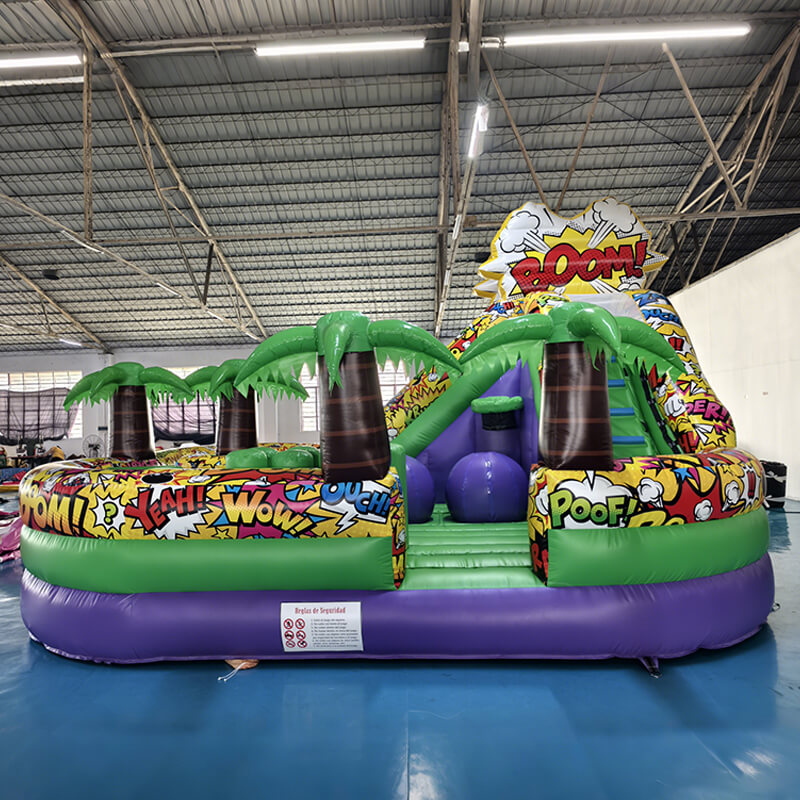
A jump castle bouncer is one of the most popular inflatable attractions for birthday parties, rental businesses, schools, events, and amusement parks. While the product itself looks simple, proper inflation is essential for safety, performance, and long-term durability.
If you are searching for how to inflate a jump castle bouncer, you are probably looking for a clear and practical setup process. In this guide, we will explain the basic steps, common mistakes, and important buying considerations so you can use the product safely and efficiently.
What Is a Jump Castle Bouncer?
A jump castle bouncer is an inflatable play structure designed for jumping, bouncing, and active play. Depending on the design, it may include walls, roofs, slides, basketball hoops, obstacle elements, or themed decoration.
Commercial buyers usually use jump castle bouncers for:
- Party rental businesses
- Family entertainment centers
- Schools and community events
- Shopping mall promotions
- Resorts and outdoor amusement projects
Because these products are used frequently and by many children, correct inflation and setup are very important.
What You Need Before Inflation
Before inflating the unit, make sure you have the necessary equipment and a proper setup area.
1. A Suitable Blower
Most jump castle bouncers require a continuous-air blower. The blower size should match the inflatable’s design and air volume. Using the wrong blower can cause weak inflation or unstable performance.
2. A Clean, Flat Setup Area
Place the inflatable on a flat surface free of sharp objects, stones, glass, or debris. Uneven ground may affect stability and increase wear.
3. Power Supply
Check the voltage and plug type before installation. For international buyers, this is especially important because different markets may require different electrical standards.
4. Anchoring Equipment
Ground stakes, sandbags, or other anchoring tools are typically required, depending on the location and surface.
5. Repair and Safety Accessories
It is wise to have repair patches, a storage bag, and a basic inspection checklist ready before operation.
How to Inflate a Jump Castle Bouncer Step by Step
Here is the general process used in the industry.
Step 1: Unpack and Inspect the Product
Lay out the inflatable and check for visible damage, open seams, or missing accessories. This is a simple but important step, especially for commercial buyers receiving new stock.
Step 2: Spread the Inflatable Flat
Make sure the unit is fully spread out and positioned in the correct direction. Check that the entrance, exits, and blower tube are easy to access.
Step 3: Connect the Blower
Attach the blower securely to the inflation tube. Typically, the connection should be tight enough to prevent air leakage. Make sure the blower is stable and placed on dry ground.
Step 4: Turn on the Blower
Once everything is ready, switch on the blower. The inflatable should begin to rise within a short time, depending on its size and design.
Step 5: Adjust the Position
As the inflatable fills with air, guide it into the correct shape. Smooth out folds, twist areas, or misaligned sections if needed.
Step 6: Fully Inflate and Check Stability
When the jump castle is fully inflated, inspect all walls, seams, anchors, and the entrance area. The unit should stand firm and maintain consistent air pressure.
Step 7: Secure the Unit
Anchor the inflatable properly with stakes or sandbags. This step is critical for outdoor use, especially in windy conditions.
Step 8: Do a Final Safety Check
Before letting children use it, check:
- Blower connection
- Anchor points
- Zippers or velcro closures
- Surface condition
- Entrance and exit safety
- Any unusual noise or air leakage
How to Secure and Check the Inflated Unit
Inflation is only part of the setup. A commercial inflatable must also be secured correctly.
For outdoor use, the structure should be anchored according to site conditions. On grass, ground stakes are commonly used. On hard surfaces, sandbags or weighted systems are typically used instead.
You should also monitor the inflatable during use. Even a properly installed product may need occasional checks, especially if there are changing weather conditions or heavy user traffic.
Common Mistakes to Avoid
Many setup problems happen because of a few simple mistakes.
Using the Wrong Blower
A blower that is too small may not maintain proper inflation. A blower that is not suitable for the unit may also shorten product life.
Inflating on Rough Ground
Sharp or uneven surfaces can damage the bottom material over time.
Weak Anchoring
If the inflatable is not properly secured, it may move during use or in windy weather.
Ignoring Weather Conditions
Outdoor inflatables should not be used in unsafe weather. Strong wind, rain, or storms can create serious risks.
Overlooking Routine Inspection
Commercial buyers often focus on appearance, but real-world operation requires regular checking of seams, blower performance, and attachment points.
Buying Tips for B2B Customers
If you are buying jump castle bouncers for rental or commercial use, inflation method is only one part of the decision.
1. Ask About Blower Compatibility
A professional supplier should tell you exactly which blower model is needed and how it should be used.
2. Check Material and Stitching Quality
Durability matters because the product will be inflated, deflated, moved, and stored many times.
3. Confirm Customization Options
For business buyers, design matters. Custom colors, themes, branding, and size options can help improve market appeal.
4. Consider Ease of Setup
A well-designed inflatable should be easy to inflate, secure, and maintain. This can save labor time and reduce operational mistakes.
5. Evaluate the Supplier’s Factory Capability
Working with a factory with real production experience usually gives buyers more confidence in quality control, lead time, and customization support.
Why Factory Experience Matters
In the inflatable industry, experience is not just about product appearance. It affects design logic, sewing structure, air distribution, reinforcement details, and practical installation performance.
With 17 years of experience, our team understands what commercial buyers care about most: stable quality, practical design, and reliable delivery.
Our 4,000㎡ self-owned factory helps us control production more effectively, while our in-house design team can support custom themes, sizes, colors, and special functions. Because we offer multiple product categories, including inflatable slides, inflatable water slides, inflatable bouncers, inflatable theme parks, land inflatable water parks, and inflatable water obstacle courses, we can provide one-stop solutions for different project needs.
For buyers, this means the product is not only attractive, but also practical in real operation.
Conclusion
Knowing how to inflate a jump castle bouncer is important for safe operation, but professional buyers should also think beyond basic setup. The right blower, proper anchoring, safe ground conditions, and reliable product quality all affect performance and user safety.
If you are planning to buy inflatable bouncers for rental, events, or amusement projects, choosing an experienced manufacturer can help reduce risks and improve long-term business value.
FAQ
1. How long does it take to inflate a jump castle bouncer?
Typically, inflation time depends on the size of the unit and blower power. Smaller units may inflate quickly, while larger commercial models take longer.
2. Can I use any blower for a jump castle bouncer?
No. The blower should match the inflatable’s size and air requirements. Using the wrong blower may affect safety and performance.
3. Do I need to anchor the inflatable every time?
Yes, for outdoor use anchoring is generally necessary. The method may vary depending on the surface.
4. Can a jump castle bouncer be used in windy weather?
It is generally not recommended to operate inflatables in unsafe weather conditions. Always follow safety guidelines and local regulations.
5. What should I check before letting children use it?
Check the blower connection, anchor points, surface condition, seams, and overall inflation stability before operation.