How to Secure an Inflatable Water Obstacle Course?

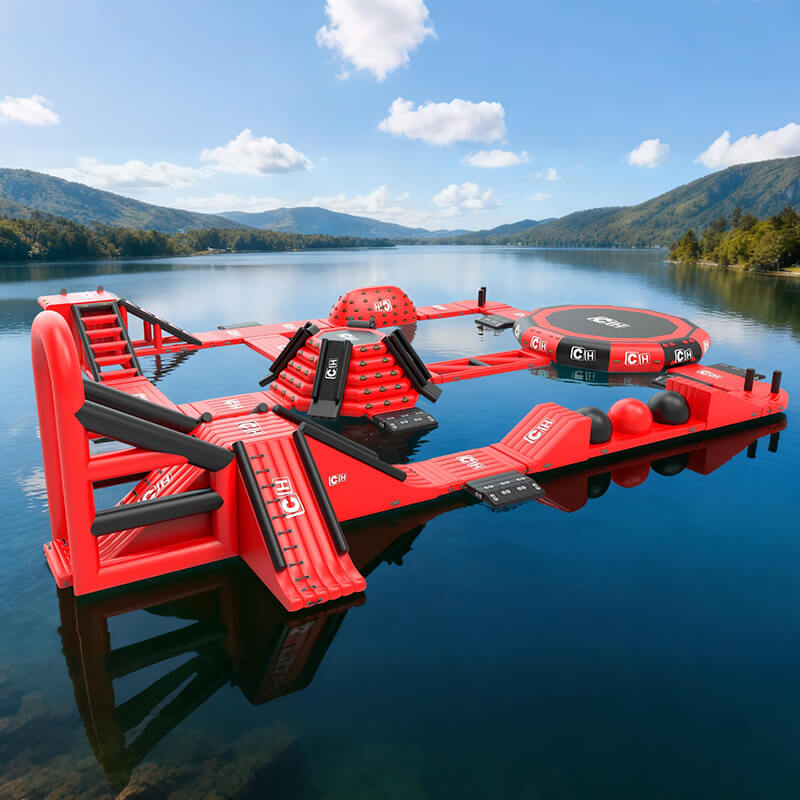
How to Secure an Inflatable Water Obstacle Course? Professional Guide
Securing an inflatable water obstacle course is a critical step to ensure the safety of users and the stability of the structure, especially in open water or high-traffic areas.
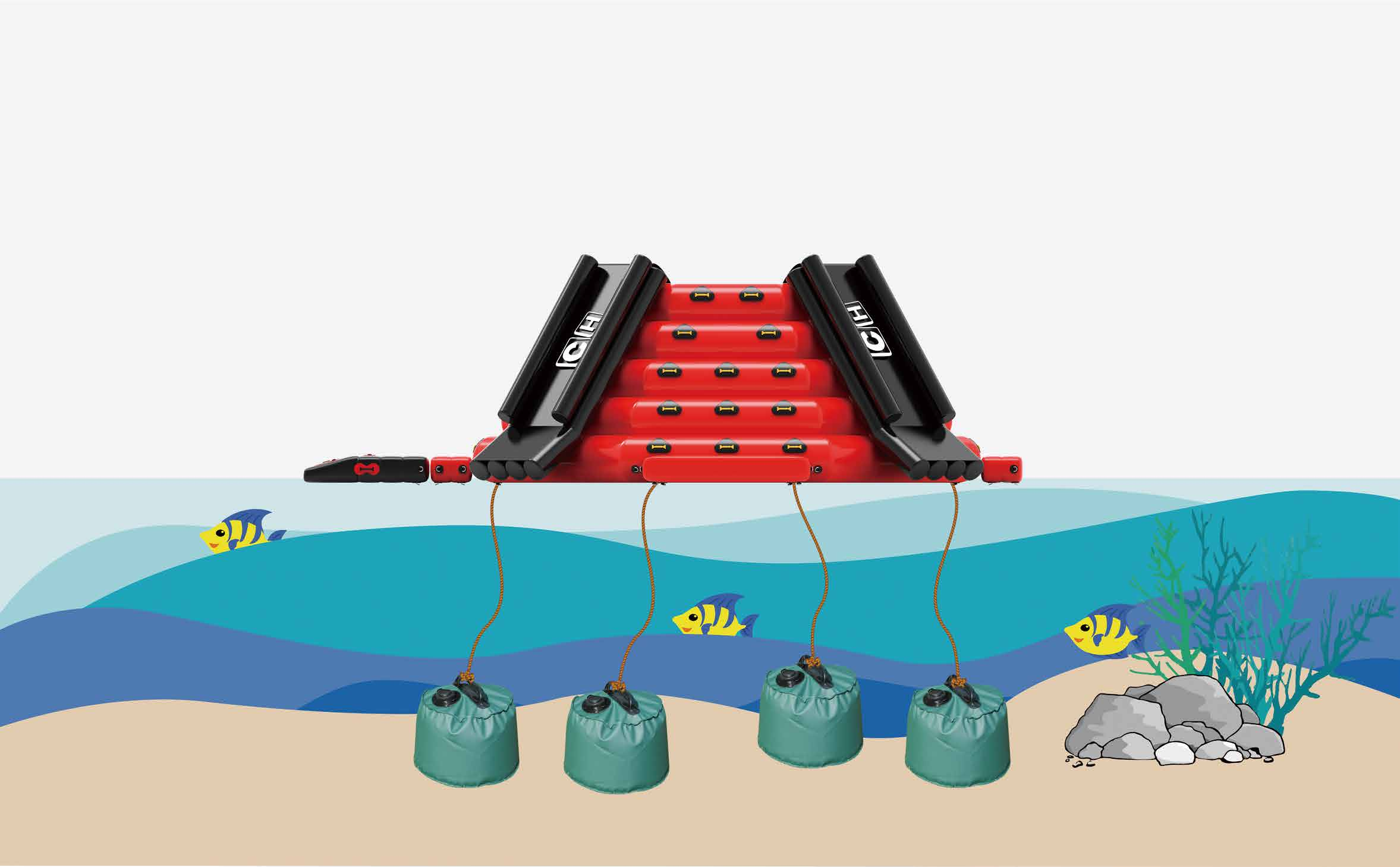
The core of securing an inflatable water obstacle course lies in using appropriate anchoring systems and mooring equipment to resist water currents, waves, and wind, while allowing slight movement to avoid structural damage. Common securing methods involve heavy anchors (such as concrete blocks, metal anchors) or weight bags, connected to the inflatable’s D-rings with marine-grade ropes or chains. Elastic mooring lines are typically used to enhance stability by absorbing wave impact and reducing stress on the inflatable structure.
Common Securing Methods
Choosing the right securing method depends on factors like water depth, seabed/lakebed type, facility size, and usage scenario. Below are the most widely used professional methods, along with their application scenarios and operational details:
1. Concrete Block Anchors
Concrete block anchors are the most common and reliable method, especially suitable for large-scale, permanent or semi-permanent commercial inflatable water obstacle courses. These heavy concrete blocks (usually 500-1000kg each, depending on the facility size) are deployed to the lakebed or seabed using boats or cranes. Their weight and stability ensure the inflatable structure stays firmly in place, even in moderate waves or currents. For commercial use, we recommend using reinforced concrete blocks with anti-corrosion treatment to extend their service life in aquatic environments.
2. Sandbags/Water Bags
Sandbags or water bags are a flexible and cost-effective option, ideal for temporary setups or areas where heavy equipment (like cranes) is unavailable. They are filled on-site with sand or water to achieve the required weight (typically 50-100kg per bag, depending on the inflatable’s size). This method is easy to operate and adjust, making it suitable for small to medium-sized inflatable courses in shallow waters or temporary events.
3. Metal Anchors/Helical Anchors
Metal anchors are designed for secure fixation, particularly in freshwater lakes with firm or rocky lakebeds. They are driven into the lakebed to provide strong grip and resistance to movement. Helical anchors, on the other hand, are more suitable for soft, sandy, or muddy seabeds/lakebeds—their spiral design allows them to dig deeper into the substrate, offering superior holding power compared to traditional metal anchors. This method is often used in open waters where currents or wind are stronger.
4. Mooring Lines
Mooring lines are the connection between the inflatable obstacle course and the anchors. High-strength elastic ropes or nylon ropes are recommended, as they are durable, corrosion-resistant, and capable of absorbing wave impact. Elastic mooring lines are particularly effective—they stretch slightly to cushion the force of waves and wind, reducing tension on the inflatable’s D-rings and preventing damage. All mooring lines should be checked for wear and tear before each use to ensure they meet safety standards.
Installation and Safety Measures
Proper installation and regular maintenance are essential to ensure the long-term safety and stability of the inflatable water obstacle course. Below are the key professional requirements and safety measures to follow:
Water Depth Requirement
Anchors should be installed in water with a depth of at least 1.5 to 2 meters. This depth ensures that the anchors are fully submerged and stable, while also preventing the inflatable structure from touching the seabed/lakebed (which could cause damage or pose safety risks to users).
Anchor Positioning
For optimal stability, anchors should be placed at a distance equal to twice the water depth from the inflatable obstacle course. This distance is used to calculate the required length of mooring lines—sufficient length ensures the lines can absorb wave impact and maintain tension without overstretching. For example, in 2-meter-deep water, anchors should be placed 4 meters away from the inflatable.
Layout Planning
A 3D floor plan is typically used to determine the exact position of each anchor, ensuring they align with the inflatable’s D-rings and distribute tension evenly across the structure. This planning step prevents uneven stress on the inflatable, which could lead to damage or instability.
Regular Inspections
Regular inspections are mandatory to maintain safety. Inspect mooring lines to ensure they remain taut and free from fraying, cuts, or damage. Check anchors for displacement caused by strong winds, heavy usage, or changing currents—any movement should be corrected immediately. Additionally, inspect the inflatable’s D-rings for signs of wear, as they are critical for connecting the mooring lines.
Special Scenario Requirements
For shallow pools or hard surfaces (such as concrete pools), sandbags should be used for each anchor point—they provide stable weight without damaging the surface. In open waters, mooring buoys should be used to mark the position of anchors, ensuring visibility for boats, swimmers, and maintenance staff, thus enhancing overall safety.
Final Notes
Securing an inflatable water obstacle course requires a combination of the right equipment, professional installation, and regular maintenance. By following the methods and safety measures outlined above, you can ensure the structure remains stable, safe, and durable, providing a secure experience for all users. Whether you are setting up a temporary event or a permanent commercial facility, adhering to these industry standards is key to avoiding accidents and extending the lifespan of your inflatable equipment.
So dive in, have fun