
Slash Maintenance: 5 Superior Inflatable Castle Seam Hacks

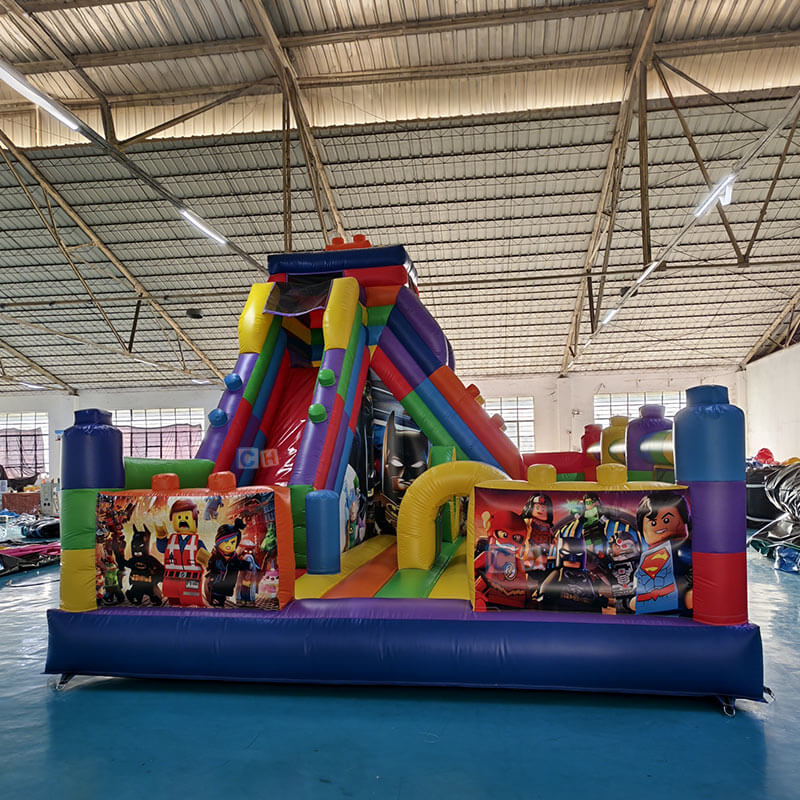
Slash maintenance: 5 superior inflatable castle seam hacks
For professional event rental businesses and large-scale wholesalers, the structural integrity of a commercial bounce house is rarely just about aesthetics. It’s almost entirely about "uptime" and pure return on investment. Look, when your units are out in the field every weekend, the most common point of critical failure isn't the blower—it’s the seams.
In my 17 years working with top-tier global renters, I’ve seen countless operators lose revenue due to preventable seam blowouts. This comprehensive guide dives deep into Inflatable Castle Seam Maintenance, revealing 5 exact, expert-level hacks that separate struggling amateur operators from highly profitable rental moguls.
If you’re exhausted from dealing with mid-event sagging, emergency on-site patching, or costly replacements, mastering routine seam care is your ultimate defense strategy. Let’s explore the protocols, materials, and techniques you need to keep your fleet in peak condition all season long.
Check out our heavy-duty Commercial Inflatable Castle Combo Slide to see how we build for longevity.
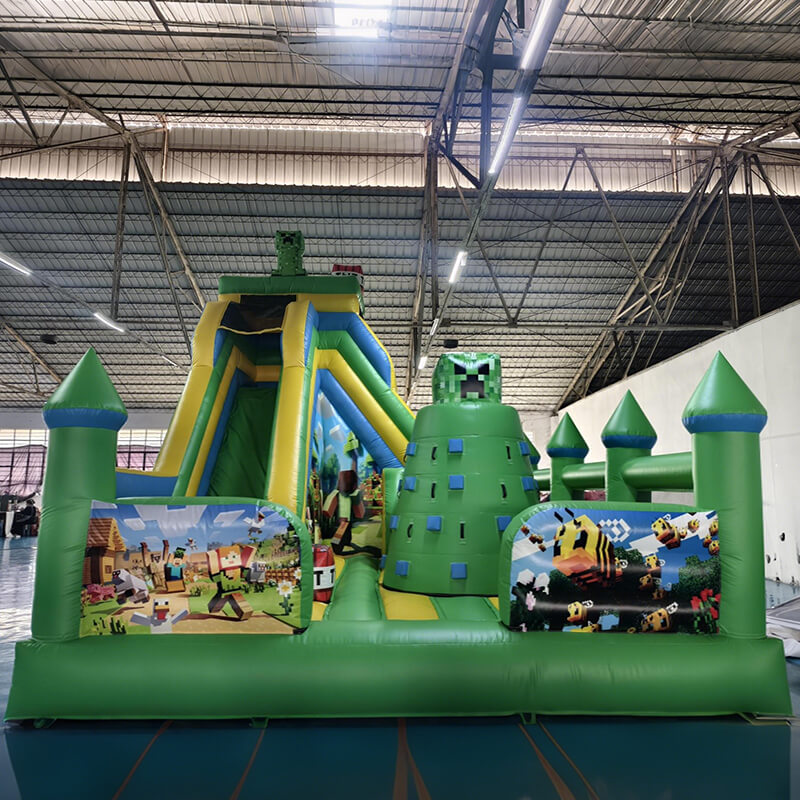
1. Prioritize high-performance materials: The 1300D PVC advantage
Before you even think about Inflatable Castle Seam Maintenance, you have to look at the foundational materials. You cannot maintain garbage fabric; it’s that simple. Quality starts at the manufacturing level. In the professional B2B landscape, 1300D PVC density is the undisputed industry gold standard for rental-grade units.
For standard commercial bounce houses, a strict 0.55mm thickness is mandatory to ensure heavy-duty puncture resistance and long-term seam hold. However, if you are operating a permanent outdoor setup or a massive inflatable water park, the material must be upgraded to 0.9mm 1300D PVC. This thicker gauge handles immersion and rigorous guest traffic without tearing at the stitch lines.
When you purchase wholesale units, always ask the factory for their Tensile strength testing reports. A fabric's ability to resist being pulled apart directly dictates the lifespan of its sewn joints. You have to watch out for "high-pressure fatigue," a condition where cheap materials stretch permanently after repeated use, rendering subsequent Inflatable Castle Seam Maintenance nearly impossible.
| Material Type | Thickness | Best Use Case | Seam Stress Rating |
|---|---|---|---|
| Standard 1300D PVC | 0.55mm | Standard Bounce Houses | High |
| Heavy-Duty 1300D PVC | 0.9mm | Water Parks & Huge Combos | Extreme |
| Economy Polyester | <0.4mm | Backyard (Not Rental) | Low |
2. Mastering double-stitched reinforcement techniques
Once you've secured premium material, the next critical element of successful Inflatable Castle Seam Maintenance is understanding the construction mechanics. Not all sewing techniques are created equal. The implementation of Double-stitched reinforcement is crucial in distributing weight across the entire inflated structure.
In premium manufacturing, standard thread isn't enough. The webbing material used in our seams is upgraded to match automotive seatbelts. This allows the unit to sustain massive dynamic shocks—like when five teenagers jump at once—without transferring that destructive energy directly to the thread itself.
Every shape has a weak link, usually at 90-degree corners. This is where proper Stress point cushioning becomes your revenue saver. Adding overlapping reinforcement layers at these junctions drastically minimizes the risk of sudden structural failure mid-event. Truth be told, most "blown seams" happen at the "Step-to-Bed" transition because operators ignore Inflatable Castle Seam Maintenance in that high-load area.
3. Proactive inspection and "the bubble test"
Routine checkups are the backbone of proper Inflatable Castle Seam Maintenance. Finding an issue in your warehouse is significantly cheaper than refunding a client on Saturday afternoon. Always inspect your inventory for early thread fraying between rentals. If caught early, you prevent "zippering"—a catastrophic chain reaction where one broken stitch unravels an entire wall.
You need to develop an eye for "tolerance precision." Look closely at the tension lines while the unit is fully inflated; the fabric should not look unnaturally pulled or warped around the stitch entry points. When you spot minor surface abrasions, apply targeted PVC adhesive bonding immediately to create a localized chemical weld.
To better understand Inflatable Castle Seam Maintenance, this video tutorial is highly recommended:
By following visual guides and maintaining strict warehouse protocols, you can drastically reduce emergency downtime. Keep an eye out for "Pinholing"—low-level Inflatable Castle Seam Maintenance issues identified by spraying soapy water and watching for tiny bubbles.
4. Humidity control and cleaning hacks for 1300D PVC seams
Moisture is the silent killer of heavy-duty synthetic threads. Proper humidity control is a non-negotiable aspect of Inflatable Castle Seam Maintenance. Inflatable water parks demand aggressive moisture management. If you want to see the nightmare of neglected water gear, look at community panic on boards like Help Repairing My Sagging Inflatables.
To avoid this sagging catastrophe, you must perform deep washes using pH-balanced commercial vinyl cleaners after every single water rental. Never, ever roll an inflatable while the seams are still damp. Trapped moisture inside the Double-stitched reinforcement leads to aggressive mold growth and total structural degradation. This is a core pillar of Inflatable Castle Seam Maintenance.
Bottom line: Using the wrong blower can violently ruin even the strongest corners. CH Inflatable pairs units with CE-certified HW blowers that provide the exact optimal CFM required. This ensures the unit stays firm without "over-stretching" the stitch tolerances or ruining your hard work on Inflatable Castle Seam Maintenance during long outdoor festivals.
5. Professional repair and patching protocols
Despite your best Inflatable Castle Seam Maintenance, heavy B2B rental usage will eventually require active intervention. Knowing how to execute a factory-level repair is vital. For severe damage, standard patch tape is unacceptable. You need to integrate professional PVC adhesive bonding with advanced heat-sealing methods—essentially mimicking the factory's "crimping cycle."
While consumer-focused articles like Easy Bounce House Repair You Can Do Yourself are fine for backyard toys, they fall short for commercial wholesalers. B2B operations require industrial liquid PVC cement and mechanized heat guns to ensure the repair matches the original unit's incredible Tensile strength testing threshold. This is real-world Inflatable Castle Seam Maintenance.
What's more, sometimes aggressive Inflatable Castle Seam Maintenance isn't enough. If you see "The Smile"—a characteristic curve at a previously straight seam line—the internal baffles have failed. Patching is merely a temporary band-aid; if your base fabric's internal webbing is severely frayed or the D-rings look warped, the unit has officially become a liability, not an asset.
Ready to upgrade to industrial-grade durability and lock in your ROI? Don't settle for units that blow out mid-season. Discover elite craftsmanship and browse our reinforced Commercial Inflatable Castle Combo Slides right now!
Frequently asked questions (FAQ)
How often should I inspect seams on a commercial bounce house?
Visually audit your units during every single rental cycle. Focus intimately on high-traffic entry points, internal pillar bases, and external corner reinforcements. Proper Inflatable Castle Seam Maintenance means catching a loose thread on Tuesday to save your Saturday revenue.
What is the best way to clean 1300D PVC seams?
Avoid harsh bleach. Use a soft-bristled detailing brush and a commercial pH-neutral vinyl cleaner. Work it gently into the crevices. Most importantly, ensure the inner seam threads are 100% bone-dry before rolling the unit up to prevent dangerous mildew and rot—a common pitfall in Inflatable Castle Seam Maintenance.
Can double-stitching prevent air leakage in heavy-use rentals?
While it significantly reduces the risk of structural failure, all sewn inflatables are intentionally designed for controlled air escape. Double-stitched reinforcement ensures the Tensile strength testing holds stable under the shifting weight of multiple users, even when Inflatable Castle Seam Maintenance is your top priority.
Final thoughts on longevity
Executing a strict protocol for Inflatable Castle Seam Maintenance is the undeniable key to minimizing warehouse downtime and maximizing the financial lifespan of your global rental fleet. By strategically investing in commercial-grade materials like 1300D PVC, and ensuring your factory utilizes advanced Stress point cushioning, you actively protect your bottom line. Long story short, don't let cheap manufacturing dictate your business's reputation.