
Save Hours: 5 Quick Inflatable Slide Deflation Master Tactics

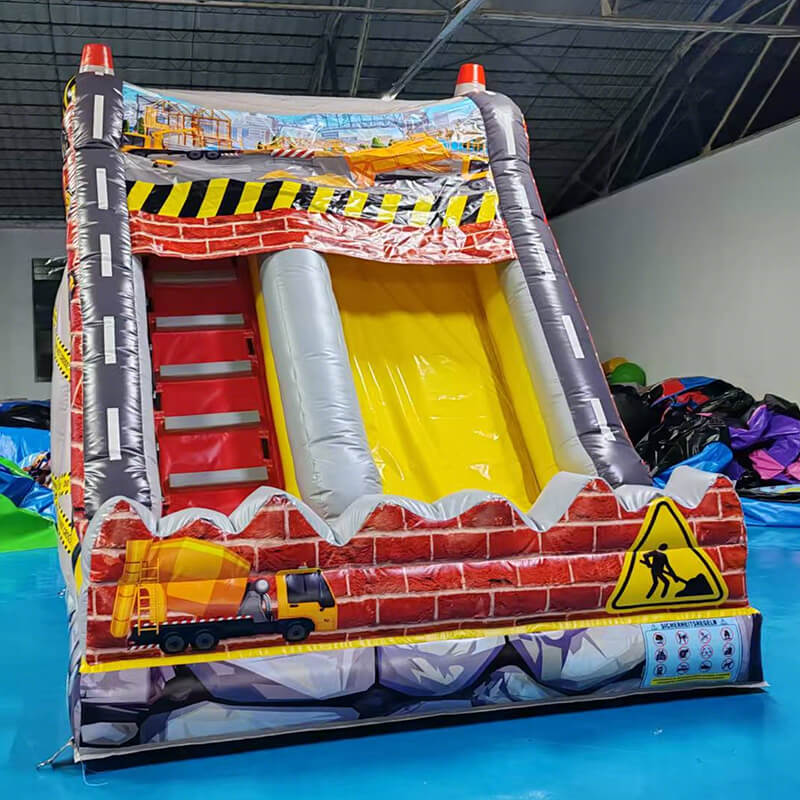
Save hours: 5 quick inflatable slide deflation master tactics
Stop wasting time after events. Master quick inflatable slide deflation with our expert guide to reduce tear-down labor. Boost your efficiency now!
Introduction
Picture this scene. The party is over, the sun has gone down, and your crew looks beat. They are exhausted.
Yet, looming in the backyard is a massive, heavy inflatable slide. It still needs to be packed up.
Setup brings the excitement of profit. But the teardown—or "strike time" as we call it in the industry—is different. That is where labor costs quietly eat into your margins.
If your crew takes 45 minutes to wrestle a single unit into a bag, you are losing money.
I have spent 17 years in this industry with CH Inflatable. We manufacture and export to the US, EU, and global markets.
I have seen rental companies thrive by optimizing their logistics. I have also seen others struggle because they fight the equipment.
The secret that separates a professional operation from a struggling one is mastering quick inflatable slide deflation.
It isn't just about opening a zipper. It is about physics, airflow management, and technique.
In this guide, I'm going to share 5 specific production-floor tactics. From zipper management to using reverse airflow, these can cut your pack-up time by 50%.
Step 0: The pre-deflation protocol for commercial efficiency
Before you even touch the power switch, successful quick inflatable slide deflation begins with site preparation.
If you skip this, you risk damaging the unit. Or worse, having to unroll it later at the warehouse to clean it.
Why cleaning before deflating saves time later
Debris is the enemy of commercial inflatable teardown efficiency. Leaves, candy wrappers, and lost jewelry can damage the PVC coating.
This happens when the unit is compressed under high pressure during rolling.
Here is a quick checklist my clients use to ensure the unit is ready:
- Walk the unit: Check for lost items (phones, glasses) inside the climbing lanes.
- Sweep down: Use a soft-bristle broom to push debris to the bottom exits.
- Water Removal: If you are dealing with a Durable inflatable party water slides unit, drain the pool area completely. Water adds massive weight and causes mold if trapped.
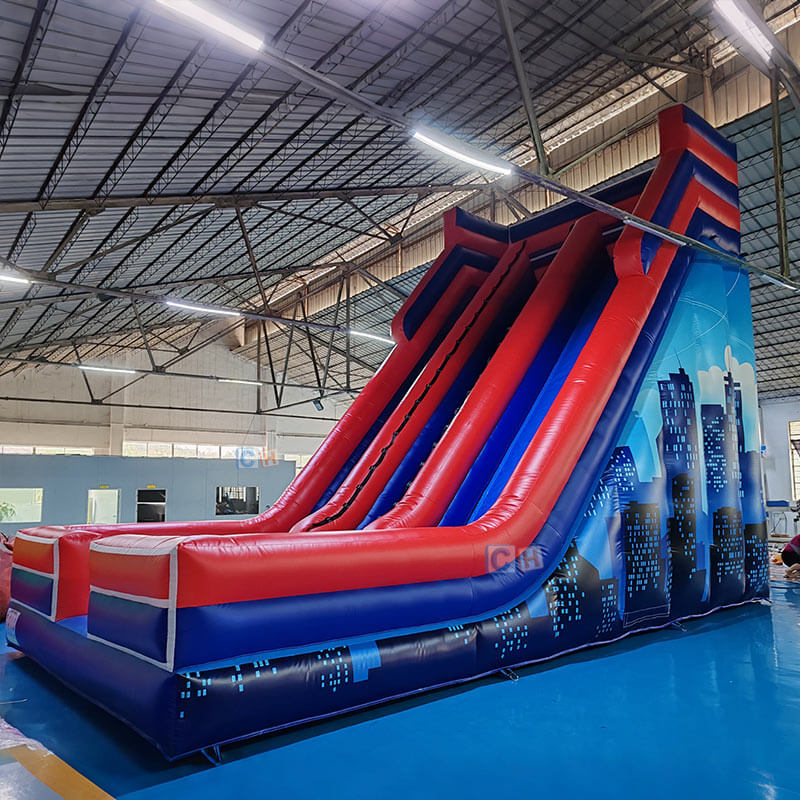
Distinguishing commercial grade vs. consumer units
You need to understand why quick inflatable slide deflation is a skill, not just a casual action.
At CH Inflatable, we use heavy-duty 0.55mm 1300D PVC. We also use 0.9mm for water parks.
This material is built to last 17 years. But let's be honest, it is heavy.
In contrast, consumer-grade items like the Crocodile Cave Adventure Water Slide | Costco are easy to deflate.
Why? Because they lack the durability and material weight of professional gear. They are essentially nylon fabric.
When you are dealing with commercial-grade PVC, you are fighting air resistance and material stiffness.
You cannot treat a 300kg slide like a backyard toy.
Tactic 1: Strategic zipper & outlet management
The most common mistake I see rookies make is opening every zipper immediately.
They let the unit collapse on top of itself. This actually traps air pockets in the limbs of the slide.
Sadly, this ends up slowing down the quick inflatable slide deflation process.
Utilizing the rapid air release zipper system
A crucial component of our design at CH Inflatable is the rapid air release zipper system.
We use high-strength YKK Zippers. They can withstand the outward pressure of rapid air release without jamming.
To maximize efficiency, follow this sequence:
- Turn off the blower. The unit will begin to sag.
- Open the topmost zippers first. If equipped on taller slides, this allows the towers to drop vertically.
- Open the base zippers last. This prevents the heavy base from folding over the slide lanes too early. That would block air from escaping the upper sections.
The air-lock prevention technique
"Air-lock" happens when heavy fabric folds over an exhaust port. It seals the air inside.
This turns your slide into a giant balloon that refuses to flatten.
To experience true quick inflatable slide deflation, you must keep the airways open.
- Prop open ports: Some operators use small PVC pipes or tennis balls to hold the velcro flaps open above the zippers.
- Straighten the slide: Ensure the slide lanes are flat on the ground.
- If you are managing a massive unit like a Giant inflatable bounce slide, ensure the slide cover is not blocking the internal air baffles.
Tactic 2: Mastering reverse blower operations
If you are still only using gravity to deflate your units, you are working too hard.
The industry standard for quick inflatable slide deflation involves mechanical assistance.
Converting your blower into a vacuum
This is where reverse blower operation changes the game.
Our HW blowers (CE certified) are powerful air movers. The best part? They work both ways.
Here is how to do it:
- Disconnect the blower tube from the air outlet of the blower.
- Move the blower tube to the air intake side of the blower.
- Seal the connection tightly using the strap.
- Turn the blower on.
Many rookie rental owners skip the vacuum step. Don't be one of them.
This single action reduces the rolled volume by 30%. It makes transport significantly easier.
It sucks the unit flat against the ground, creating a "shrink-wrapped" effect.
Visual guide to blower assistance
To better understand quick inflatable slide deflation using blower assistance, this video tutorial is highly recommended:
Watching the transition from a wet, heavy pile of PVC to a manageable roll in the video demonstrates exactly why mechanical aid is vital.
Tactic 3: The "walk-out" method for heavy duty PVC
Even with a vacuum, pockets of air will remain trapped in the baffles of the internal structure.
This requires physical intervention. Specifically, you need to deal with heavy duty pvc material handling.
Material handling: 0.55mm vs. 0.9mm PVC
CH Inflatable products are constructed with reinforced webbing and 0.55mm 1300D PVC.
For water parks, we use 0.9mm. This material is incredibly durable.
However, it creates an airtight seal that can trap air effectively.
Simple folding isn't enough. Weight must be used to push air out toward the open zippers.
If you don't push the air out now, you will be fighting a "springy" roll later. It won't fit in the bag.
The barefoot walk pattern
We call this "Burping the Inflatable." It is the act of walking on the folded unit to force pockets of air out.
- Fold the sides in: Create a long rectangular shape (the tri-fold method).
- Remove shoes: Always walk barefoot or in socks to protect the vinyl.
- Walk from the closed end: Start at the end furthest from the zipper or blower tube.
- Stomp systematically: Walk slowly toward the open ports. You are effectively squeezing the air out like a tube of toothpaste.
This is critical for quick inflatable slide deflation.
If you hear air hissing out, it works. If the hissing stops, adjust the fold to uncrimp the airflow path.
| Feature | Amateur Deflation | Pro Deflation (The CH Way) |
|---|---|---|
| Time Per Unit | 20-30 Minutes | 8-12 Minutes |
| Physical Effort | High (Back Strain) | Low (Leverage Driven) |
| Air Removal | Gravity Only | Reverse Blower + Walk-out |
| Roll Quality | Loose, Springy | Tight, Factory-Style |
| Bag Fit | Struggle to close | Slides in easily |
Tactics 4 & 5: Advanced rolling and folding techniques
The final battle is the roll. If your quick inflatable slide deflation was successful, the unit is flat.
Now, you must roll it tight enough to load.
The "burrito roll" for large slides
When rolling large inflatable slides, the geometry of your roll determines your success.
- The Cone: The first 3-4 rotations are the most important. You must start the roll extremely tight, like the tip of a cone.
- Keep it straight: If the roll starts to cone (stick out) on one side, unroll slightly and correct it immediately.
- The Strap: Once rolled, use the strap. We have upgraded our units to use a Stainless Steel D-buckle. This is vital for wet units, as standard iron buckles will rust.
Using leverage tools to save your back
For truly massive slides, manual labor needs assistance. You shouldn't be lifting 300lbs of dead weight with your lower back.
In the "Strike Time" rush, use leverage.
- Dollies: Have a heavy-duty dolly ready.
- Lifting Wedges: For getting the roll onto the dolly, I recommend using tools like the Inflatable Lifting Wedge - Lifter for Inflatables. This allows you to tilt the heavy roll without straining your spine.
As one expert told me: "Never fight the weight of a giant slide. If the roll is loose, unroll it and start again."
A loose roll will never fit in the bag and will double your loading time. Once it is tight, "Bag It and Tag It."
Frequently Asked Questions (FAQ)
Here are the common questions I hear from rental business owners regarding quick inflatable slide deflation.
How long should a commercial inflatable slide take to deflate?
It largely depends on the size. With passive deflation (just zippers), a standard slide takes about 10-15 minutes.
However, by using quick inflatable slide deflation tactics like the reverse blower method, you can cut this to under 8 minutes.
Can I use the blower vacuum function to speed up deflation?
Yes, absolutely. This is industry standard. Ensure your HW blower is compatible or use a deflator attachment.
This is crucial for tight rolling. The vacuum method is the cornerstone of quick inflatable slide deflation.
What is the best folding technique to remove trapped air?
The tri-fold or "thirds" method is best for slides. Fold the left side to the center, then the right side over it.
Then, walk the air out ("burp" it) toward the zippers before rolling. This streamlined shape aids in quick inflatable slide deflation.
Does wet weather affect deflation speed?
Yes. Water creates a seal between layers of PVC. It makes it harder for air to escape.
For a wet quick inflatable slide deflation, you must be more aggressive with the "walk-out" method. You have to break those water seals between the vinyl layers.
Why won't my slide fit back in the bag?
If the slide doesn't fit, you likely trapped air during the rolling process. This usually happens because you skipped the "burping" stage.
Or, you didn't roll the initial cone tightly enough. Unroll it, apply the vacuum again, and restart the roll.
How do CH Inflatable zippers help with speed?
We use genuine YKK zippers. They are smoother and stronger than generic alternatives.
A jammed zipper adds 20 minutes to your teardown. Reliable hardware is essential for consistent quick inflatable slide deflation.
The bottom line
Time is money in the rental business. Mastering quick inflatable slide deflation is not just about going home early.
It is about reducing wear on your crew and protecting your assets.
By implementing these 5 tactics—Strategic Zipper Management, Reverse Blower Operations, The "Walk-Out" technique, precise Rolling, and using Leverage Tools—you can reclaim hours of your life every weekend.
Remember, efficient deflation starts with buying quality units.
At CH Inflatable, our slides feature reinforced webbing, high-flow YKK zippers, and CE-certified blowers. They are designed to handle the stress of daily rentals and rapid teardowns.
Ready to upgrade your rental inventory with slides that are built to last and easy to pack? Contact CH Inflatable today for a quote or to discuss custom designs for your business. We are ready to help you streamline your operations.
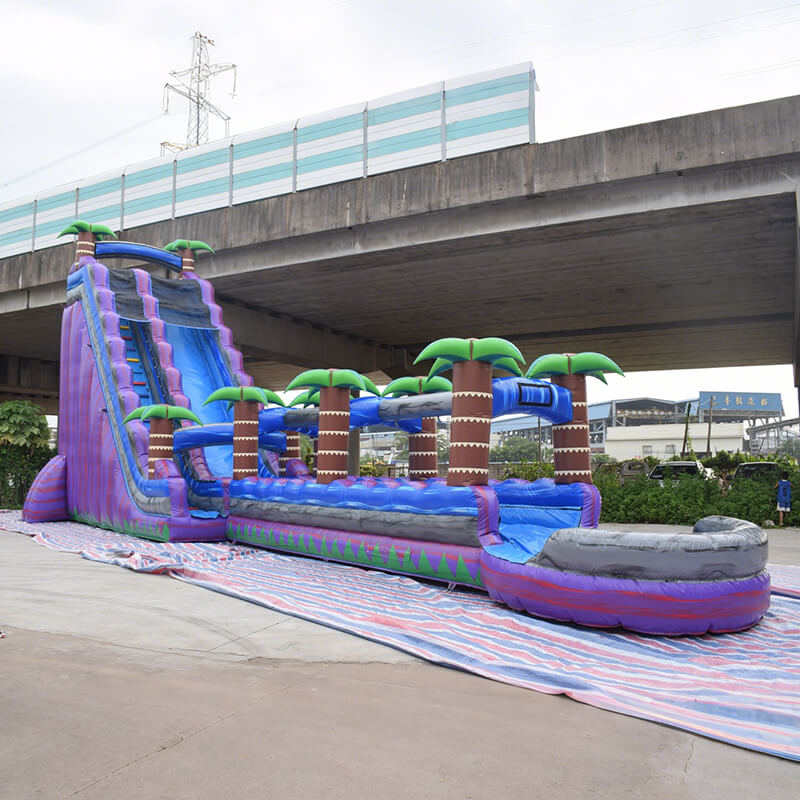
Image by: iOnix08
https://www.pexels.com/@ionix08-540650